
Septic Tank Replacement: Affordable Solutions to Save Costs
Septic tank replacement is a significant undertaking that many homeowners may face at some point. Whether your current septic tank is aging, damaged, or no longer functioning efficiently, the decision to replace it can be daunting both financially and logistically. However, with careful planning and consideration of affordable solutions, you can save costs while ensuring a smooth transition to a new septic tank system.
Understanding the Signs for Septic Tank Replacement
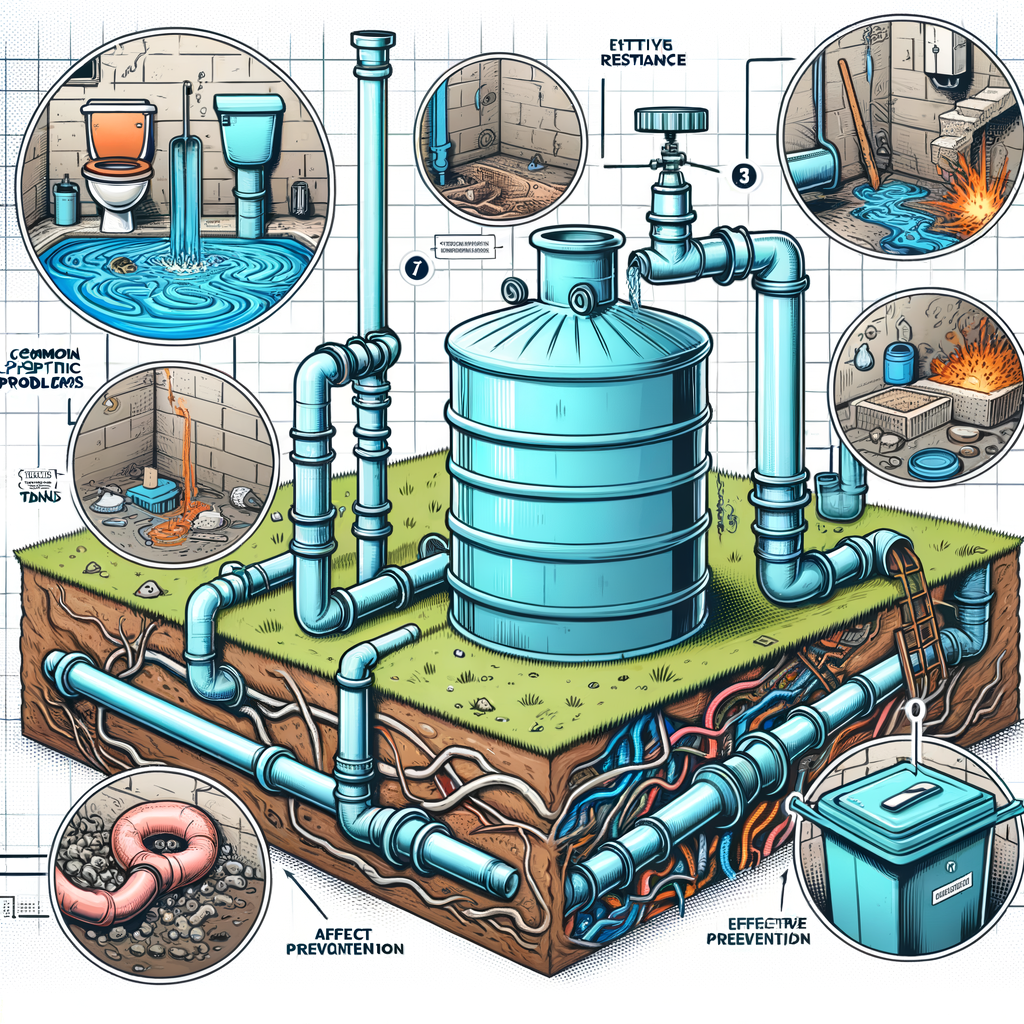
Before delving into affordable replacement solutions, it’s essential to recognize the signs that indicate your septic tank may need replacement. Some common indicators include frequent backups, foul odors in the yard, slow draining sinks and toilets, pooling water around the septic tank area, and lush patches of grass near the system. If you notice any of these signs, it’s crucial to have your septic system inspected by a professional to determine the extent of the issue.
Choosing the Right Size and Type of Septic Tank
One of the first steps in the septic tank replacement process is selecting the right size and type of tank for your property. The size of the tank should be based on the number of bedrooms in your home, the water usage habits of your household, and the soil conditions on your property. Additionally, consider the type of tank that best suits your needs, whether it’s a traditional concrete tank, a fiberglass tank, or an alternative system like an aerobic treatment unit.
Exploring Cost-Effective Replacement Options
When it comes to affordability, there are several cost-effective options to consider for septic tank replacement. One option is to opt for a plastic septic tank, which is lightweight, durable, and easier to install compared to traditional concrete tanks. Plastic tanks are also resistant to corrosion and cracking, offering long-term cost savings. Another affordable solution is to choose a gravity-fed septic system, which requires less maintenance and operates without the need for mechanical components.
Considerations for DIY vs. Professional Installation
While some homeowners may consider a do-it-yourself approach to septic tank replacement to save costs, it’s crucial to weigh the pros and cons of DIY versus professional installation. DIY installation may seem cost-effective initially, but it can lead to costly mistakes and potential damage to your property if not done correctly. Hiring a professional septic tank installer ensures that the replacement is done safely, efficiently, and in compliance with local regulations, ultimately saving you time and money in the long run.
Taking Advantage of Financing and Rebate Programs
To further reduce the financial burden of septic tank replacement, explore financing options and rebate programs that may be available in your area. Some municipalities offer financial assistance or rebates for upgrading to more efficient septic systems, promoting environmentally friendly practices while helping homeowners save on replacement costs. Additionally, look for low-interest loans or payment plans that can make the replacement process more affordable and manageable for your budget.
In conclusion, septic tank replacement doesn’t have to break the bank. By understanding the signs for replacement, choosing the right size and type of tank, exploring cost-effective options, considering DIY versus professional installation, and taking advantage of financing and rebate programs, you can save costs while ensuring a seamless transition to a new septic system. Prioritize proper maintenance and care for your septic tank to extend its lifespan and avoid costly replacements in the future. Remember, investing in the health of your septic system now can lead to long-term savings and peace of mind for years to come.