
Septic Tank Pumping in NC: Essential Guidelines for Proper Maintenance
Septic tank pumping is a crucial part of maintaining your septic system in North Carolina. Proper maintenance of your septic tank is essential to ensure it functions efficiently and prevents costly repairs or replacements down the line. In this comprehensive guide, we will discuss the essential guidelines for septic tank pumping in NC to help you keep your system in top condition.
Understanding Your Septic System
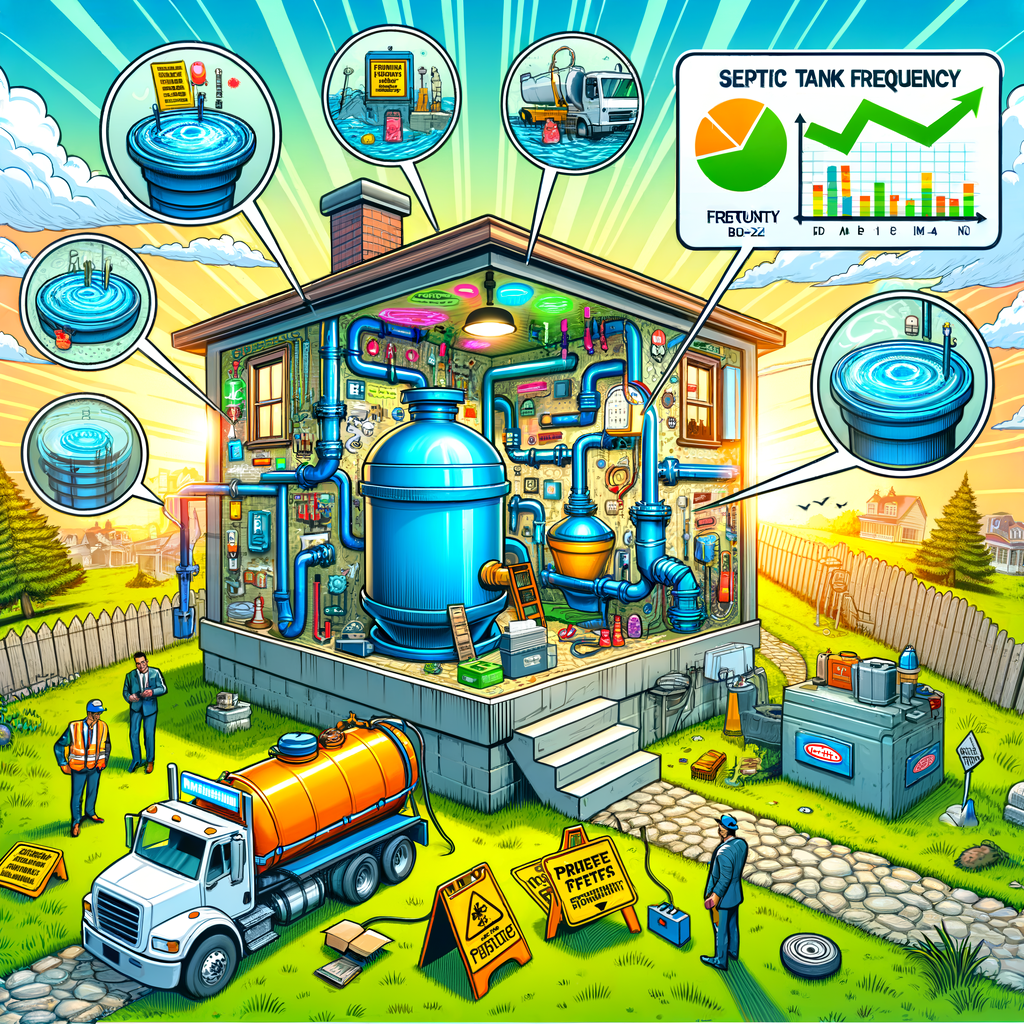
Before delving into the guidelines for septic tank pumping, it’s vital to understand how your septic system works. In North Carolina, many residential properties rely on septic tanks to manage wastewater. A septic system consists of a septic tank and a drainfield. The tank collects wastewater from your home, where solids settle to the bottom and liquids flow into the drainfield for further treatment.
When to Pump Your Septic Tank
One of the most critical aspects of septic tank maintenance is knowing when to pump your tank. On average, septic tanks should be pumped every 3 to 5 years, but this timeline can vary based on factors such as household size, water usage, and tank size. Regular pumping is necessary to prevent solids from building up and clogging the system, leading to backups and potential health hazards.
Signs Your Septic Tank Needs Pumping
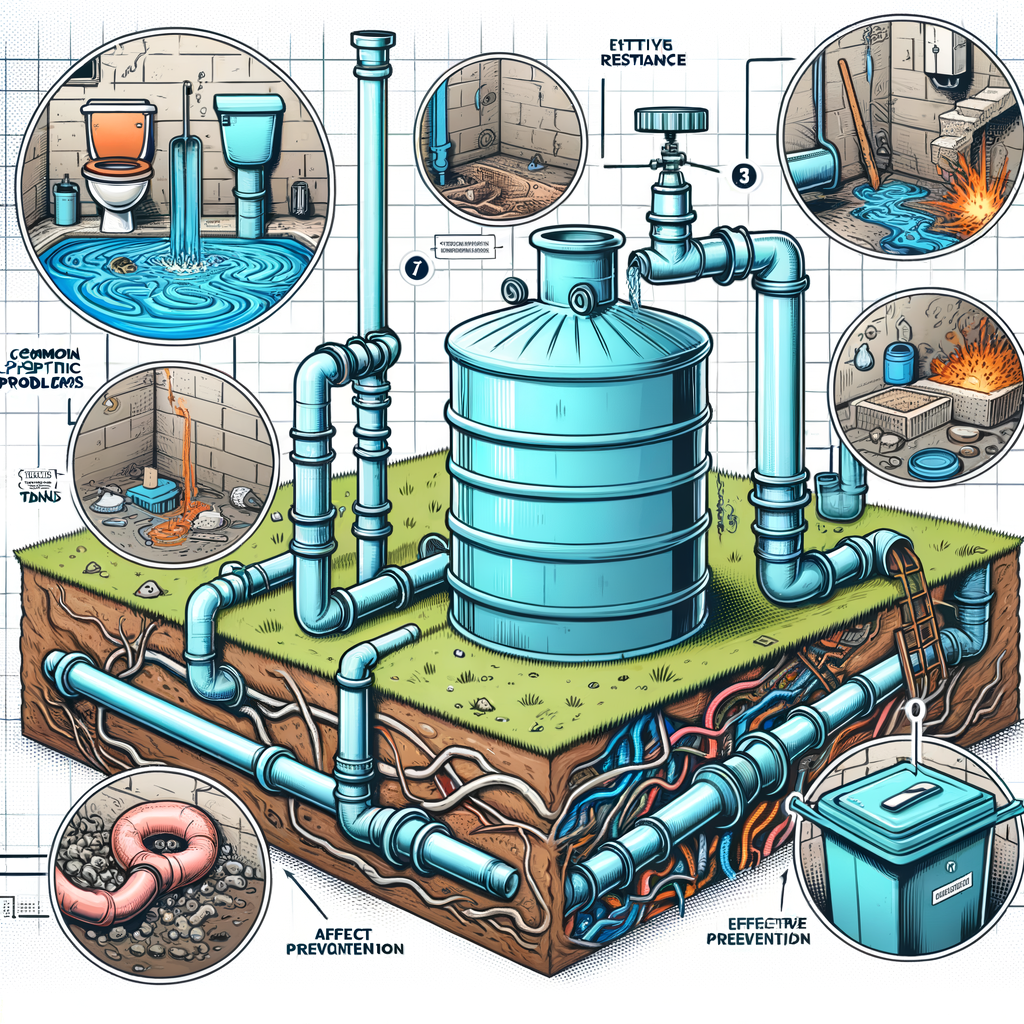
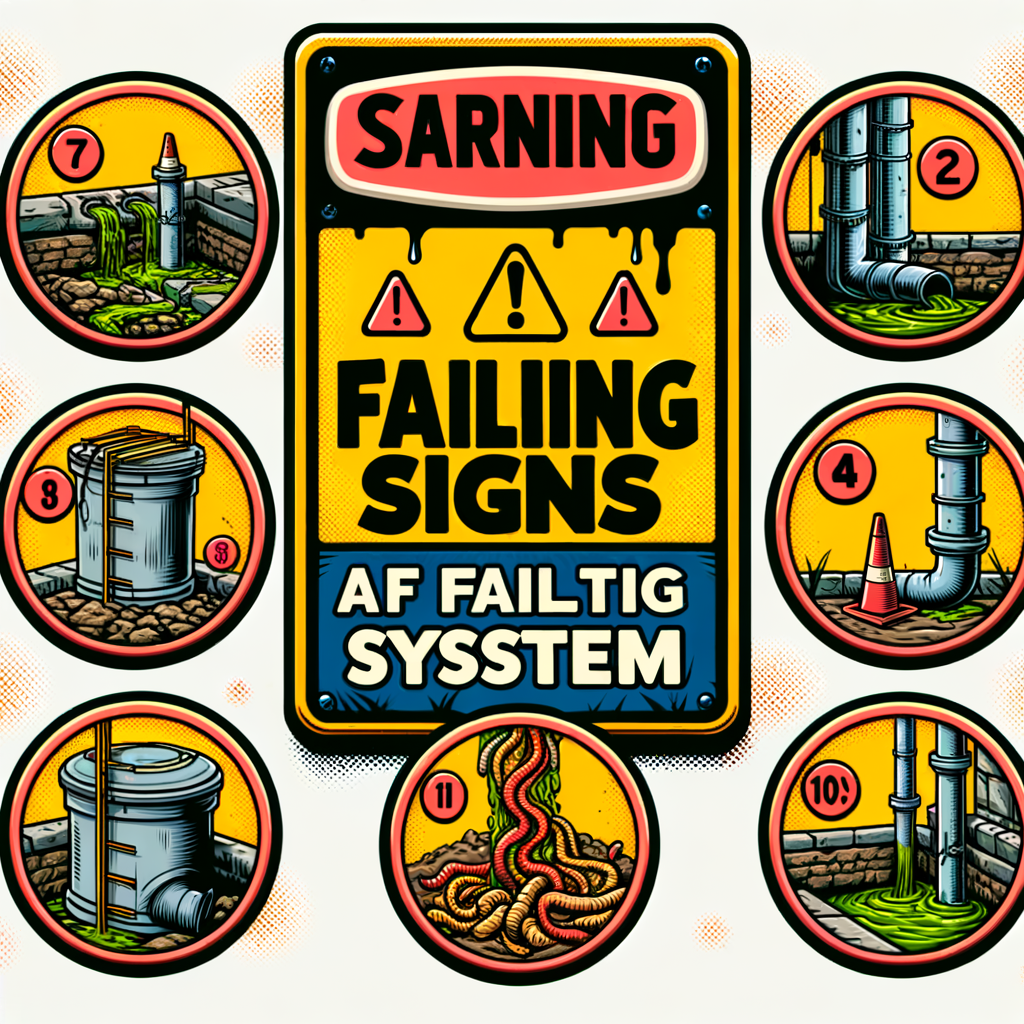
It’s essential to be aware of the signs that indicate your septic tank needs pumping. Some common signs include slow drains, gurgling noises in the plumbing, unpleasant odors around the drainfield, and sewage backups in the house. If you notice any of these signs, it’s crucial to schedule a septic tank pumping service promptly to prevent further issues.
Selecting a Professional Septic Tank Pumping Service
When it comes to septic tank pumping in NC, hiring a professional service is highly recommended. Look for licensed and experienced septic tank pumping companies that adhere to state regulations and environmental guidelines. A reputable service will have the necessary equipment and expertise to pump your tank efficiently and safely.
Guidelines for Proper Septic Tank Pumping
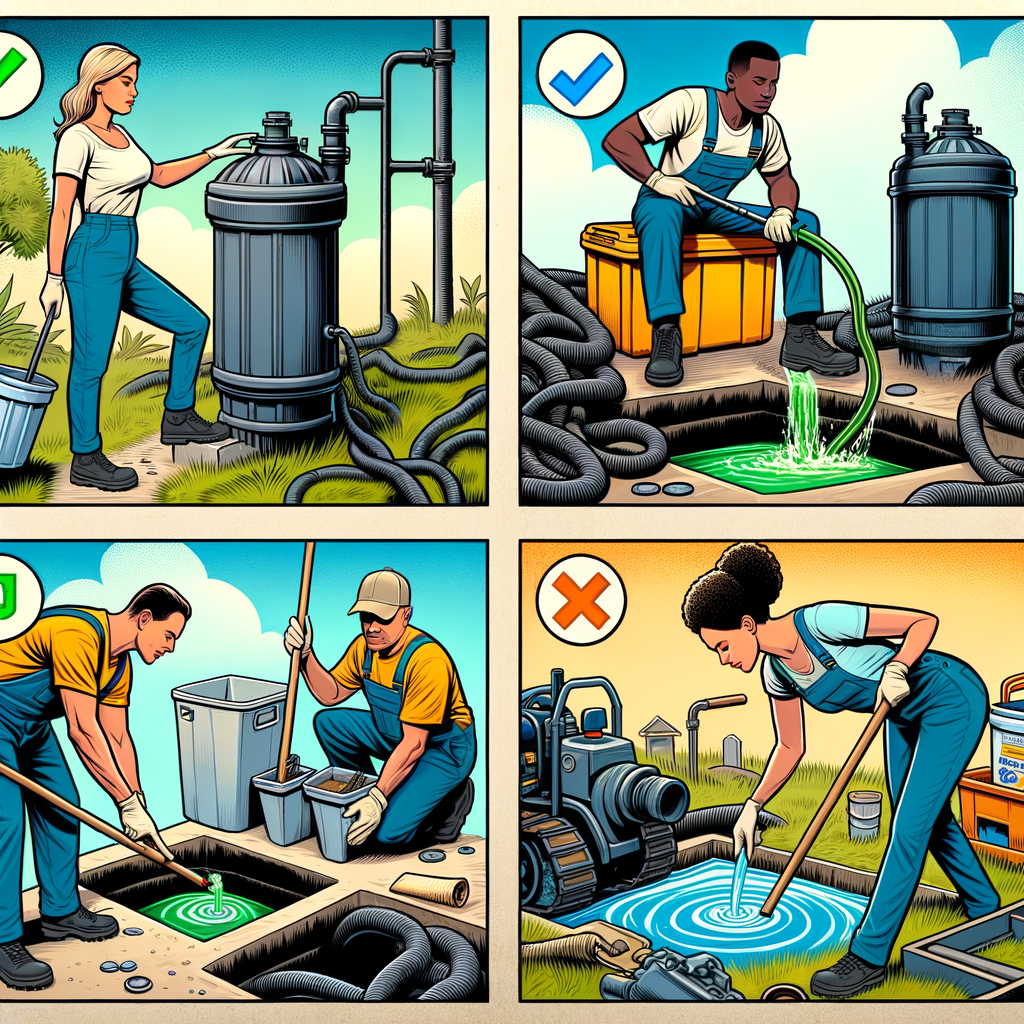
During the septic tank pumping process, the following guidelines should be followed for optimal results:
1. Schedule regular pumping based on the recommended timeline.
2. Ensure the access lids and covers are easily accessible for the pumping service.
3. Communicate any issues or concerns about your septic system with the pumping service.
4. Ask the service provider to inspect the tank for signs of damage or leaks during pumping.
5. Keep records of past pumping dates and any maintenance or repairs done on your septic system.
Maintaining Your Septic System
In addition to regular pumping, proper maintenance of your septic system is essential for its longevity and performance. Follow these maintenance tips to ensure your system functions smoothly:
1. Avoid flushing non-biodegradable items down the drain.
2. Use septic-safe cleaning products to prevent damage to the system.
3. Conserve water by fixing leaks and installing water-efficient fixtures.
4. Avoid parking or building structures over the septic tank or drainfield.
By following these guidelines for septic tank pumping in NC and maintaining your septic system, you can ensure its efficiency and prolong its lifespan. Remember that proper care and regular maintenance are key to preventing costly repairs and ensuring the health and safety of your household. If you have any concerns about your septic system, don’t hesitate to contact a professional septic service for assistance.