Septic Tank Pumping: Effortless Maintenance Guide
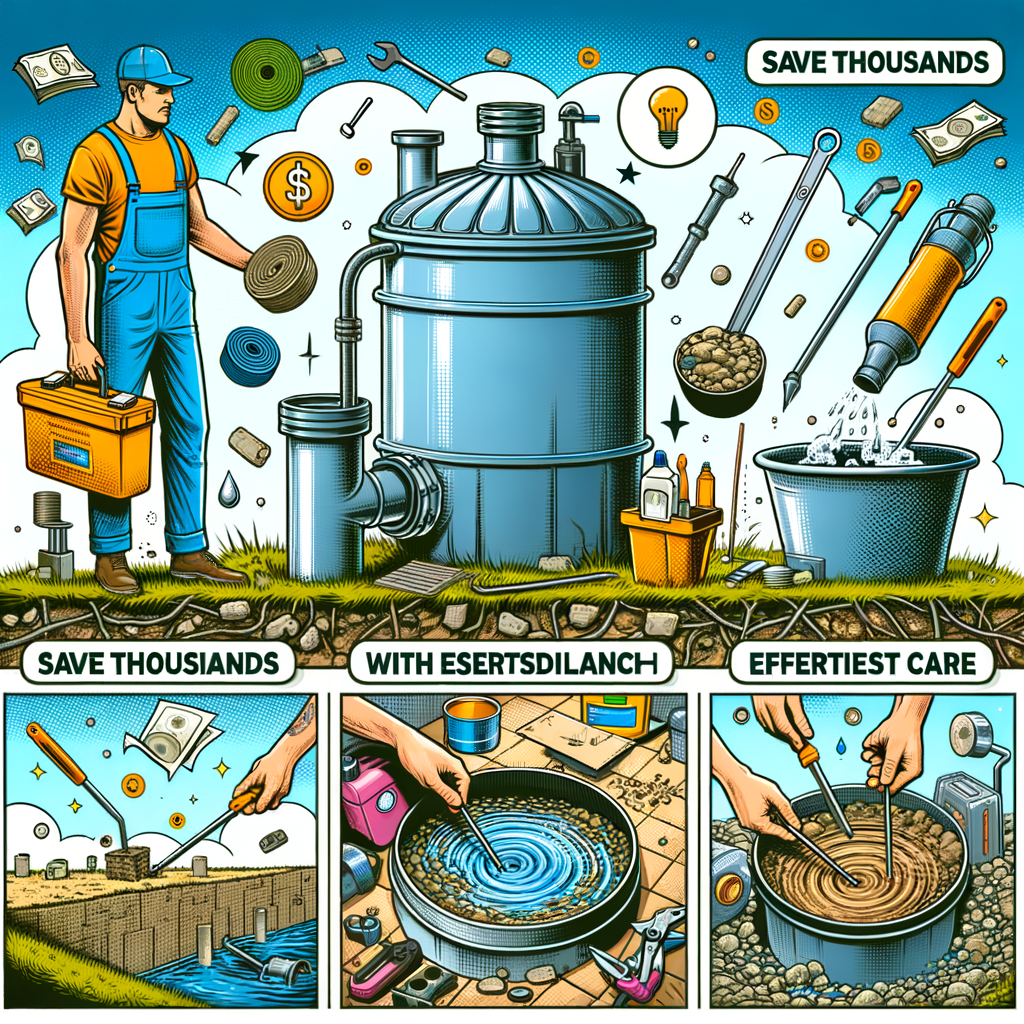
Septic tank pumping is an essential aspect of maintaining a healthy and efficient septic system. Neglecting this routine maintenance task can lead to costly repairs and unpleasant odors in your home. In this guide, we will explore the importance of septic tank pumping and provide you with effortless tips to ensure your septic system operates smoothly.
Understanding the Purpose of Septic Tank Pumping
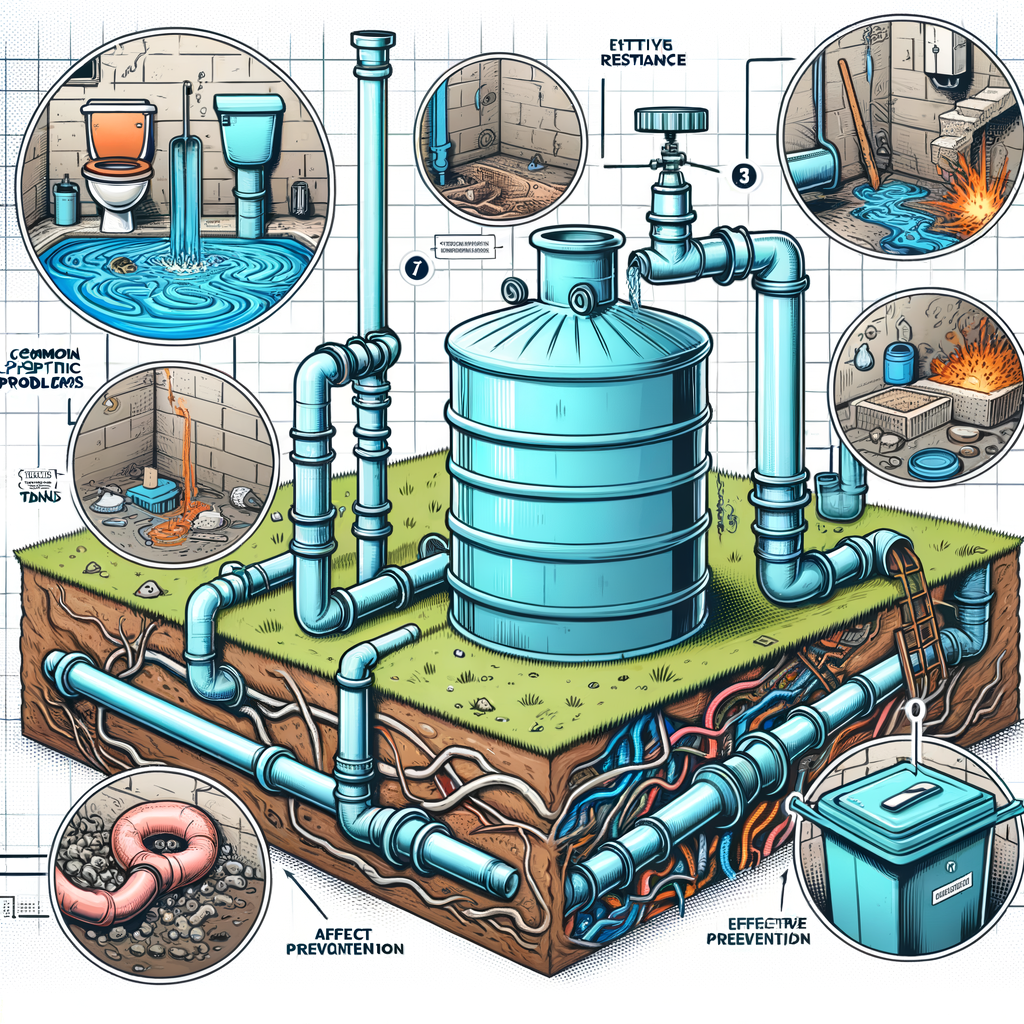
Your septic tank plays a crucial role in processing and disposing of household wastewater. Over time, solid waste and sludge accumulate in the tank, reducing its capacity and hindering the decomposition process. Septic tank pumping involves removing the accumulated waste to prevent clogs and backups in the system. Regular pumping is necessary to maintain the functionality of your septic system and extend its lifespan.
Signs Your Septic Tank Needs Pumping
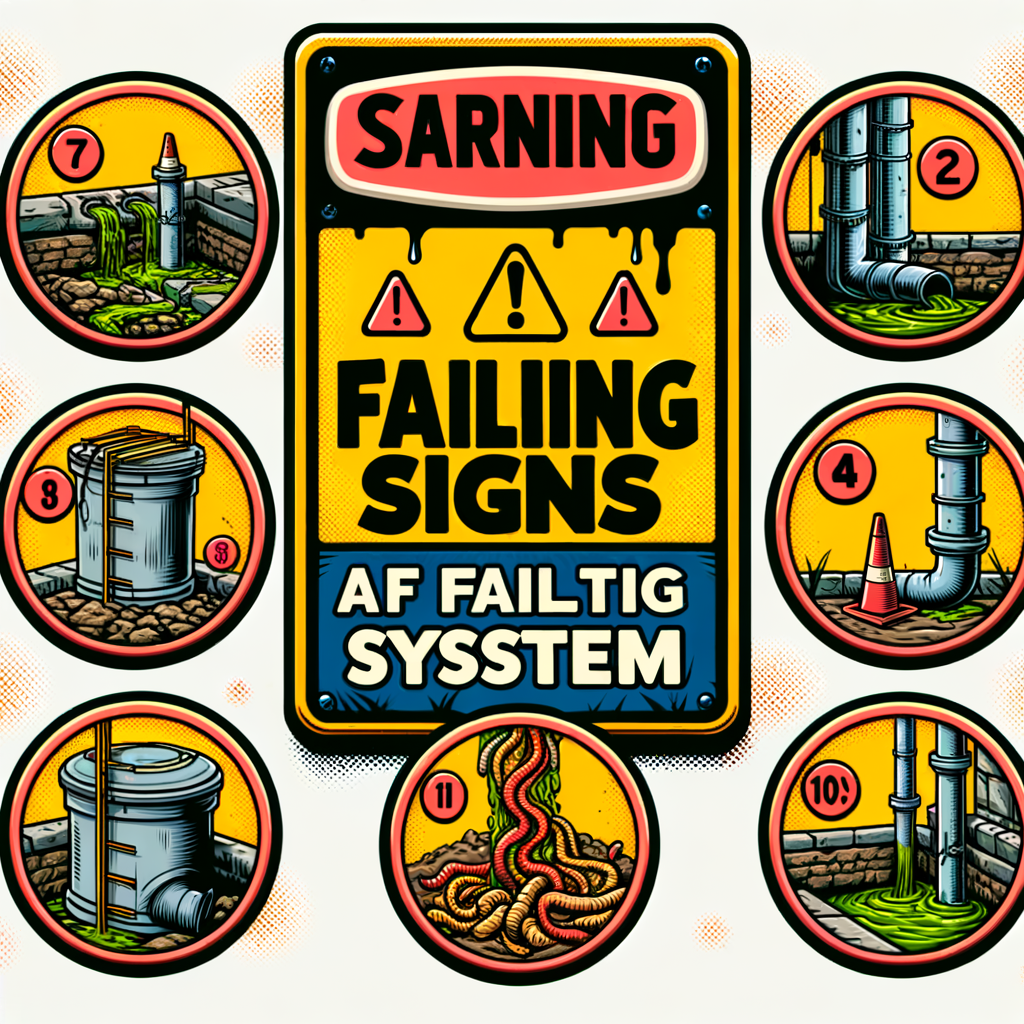
It is important to be aware of the signs that indicate your septic tank requires pumping. Some common indicators include:
1. Slow Drains: If you notice slow drainage in sinks, toilets, or showers, it could be a sign of a full septic tank.
2. Foul Odors: Strong odors emanating from drains or the area around the septic tank indicate a buildup of waste.
3. Pooling Water: Standing water or soggy patches in the yard near the septic tank area may indicate a full tank or clogged drain field.
Effortless Maintenance Tips for Septic Tank Pumping
To ensure your septic system operates efficiently, follow these simple maintenance tips:
1. Schedule Regular Pumping: Experts recommend pumping your septic tank every 3 to 5 years, depending on household size and water usage. Regular pumping prevents solids from accumulating and causing blockages.
2. Conserve Water: Minimize water usage by fixing leaky faucets, installing water-efficient fixtures, and spreading out laundry loads. Excessive water usage can overload the septic system and lead to premature tank filling.
3. Avoid Flushing Non-Biodegradable Items: To prevent clogs and damage to your septic system, avoid flushing non-biodegradable items such as wipes, feminine hygiene products, and paper towels.
4. Use Septic-Safe Products: Choose septic-safe household cleaners, detergents, and toilet paper to maintain a healthy balance of bacteria within the septic tank.
5. Keep Records: Maintain a record of septic tank inspections, pumping schedules, and maintenance activities. This will help you track the health of your septic system and adhere to a consistent maintenance routine.
Professional Septic Tank Pumping Services
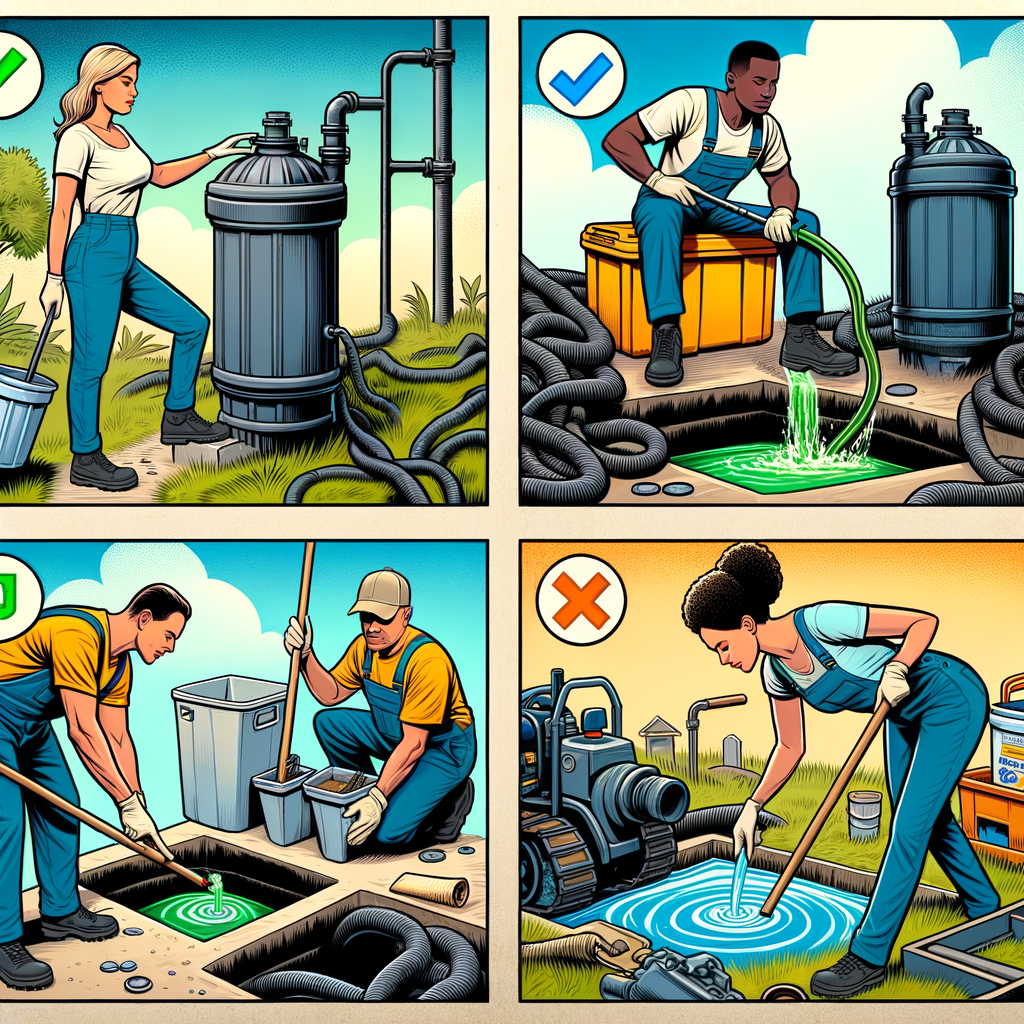
While some homeowners may attempt to pump their septic tanks themselves, it is advisable to hire professional septic tank pumping services. Certified technicians have the expertise and equipment required to safely and efficiently pump your septic tank. They can also conduct inspections to identify any issues that may require attention.
In conclusion, septic tank pumping is a crucial aspect of septic system maintenance that should not be overlooked. By following the effortless maintenance tips outlined in this guide and scheduling regular pumping, you can ensure the smooth operation of your septic system and avoid costly repairs. Prioritize the health of your septic system to enjoy a clean and efficiently functioning household.