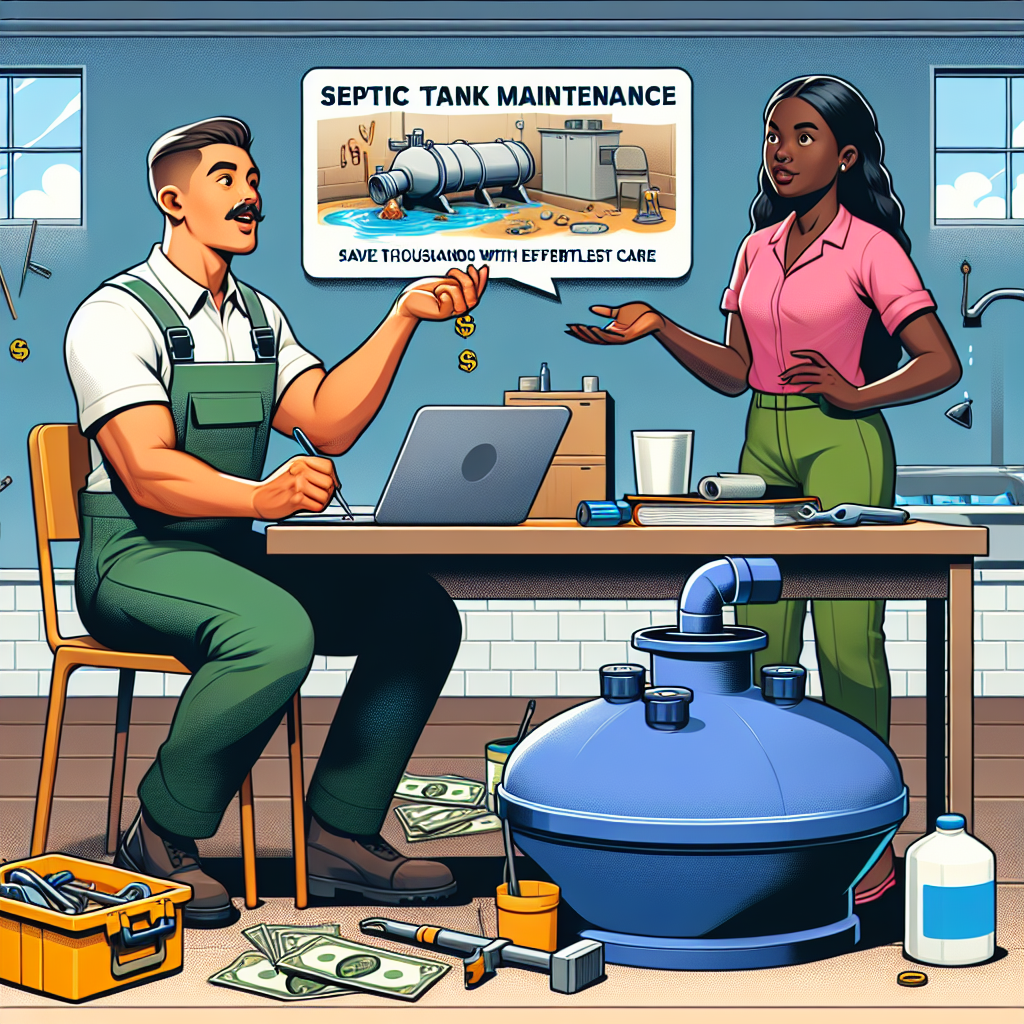

Septic Tank Maintenance: Save Thousands with Effortless Care
Septic tanks are an essential part of many homes, particularly in rural or suburban areas. These underground wastewater treatment systems require regular maintenance to ensure proper functioning and prevent costly repairs. By taking simple, effortless steps to care for your septic tank, you can save thousands of dollars in the long run and avoid potential headaches associated with malfunctioning systems.
Understanding Your Septic System
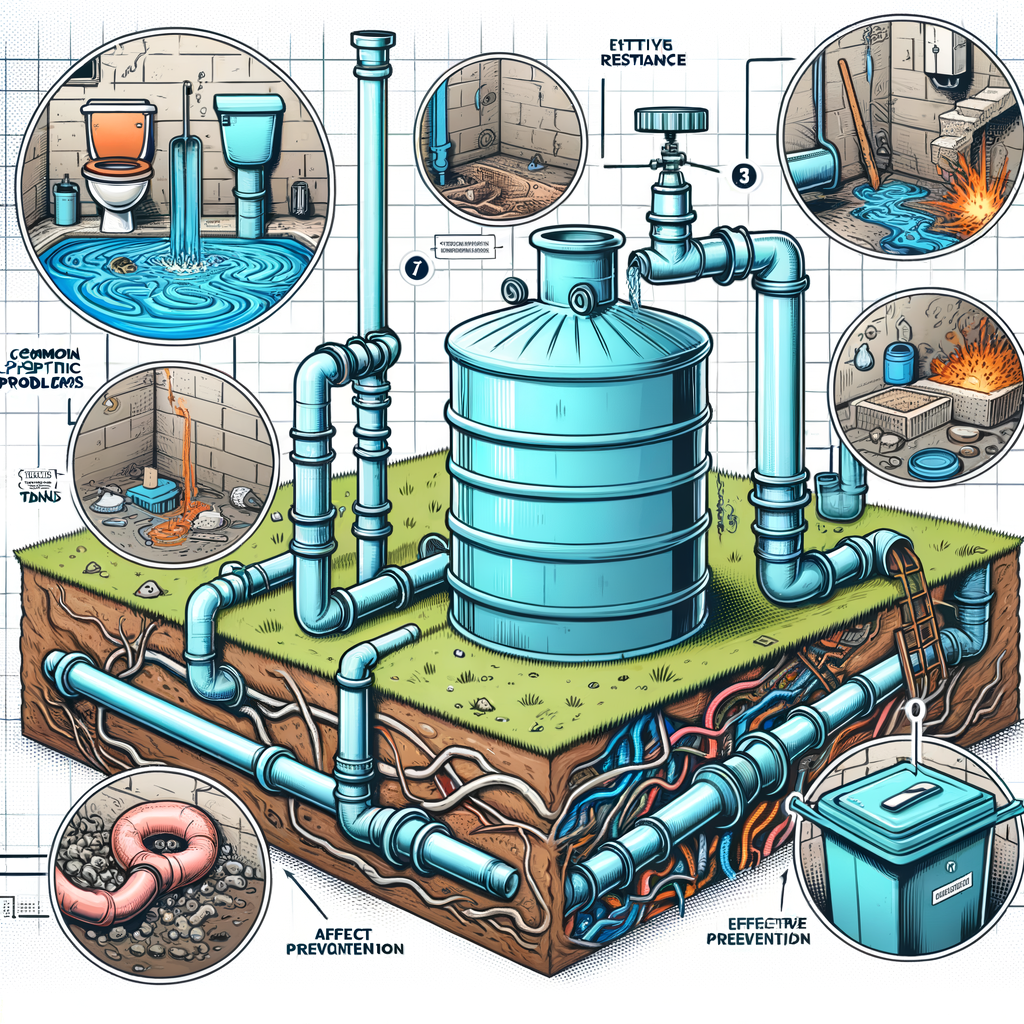
Before delving into maintenance tips, it’s crucial to understand how a septic system works. A typical septic tank consists of two main components: the tank and the drain field. Wastewater from your sinks, toilets, and showers flows into the tank, where solids settle to the bottom and liquids are discharged into the drain field for further treatment. Over time, sludge and scum buildup can occur, leading to clogs, odors, and potential system failures.
Regular Pumping is Key
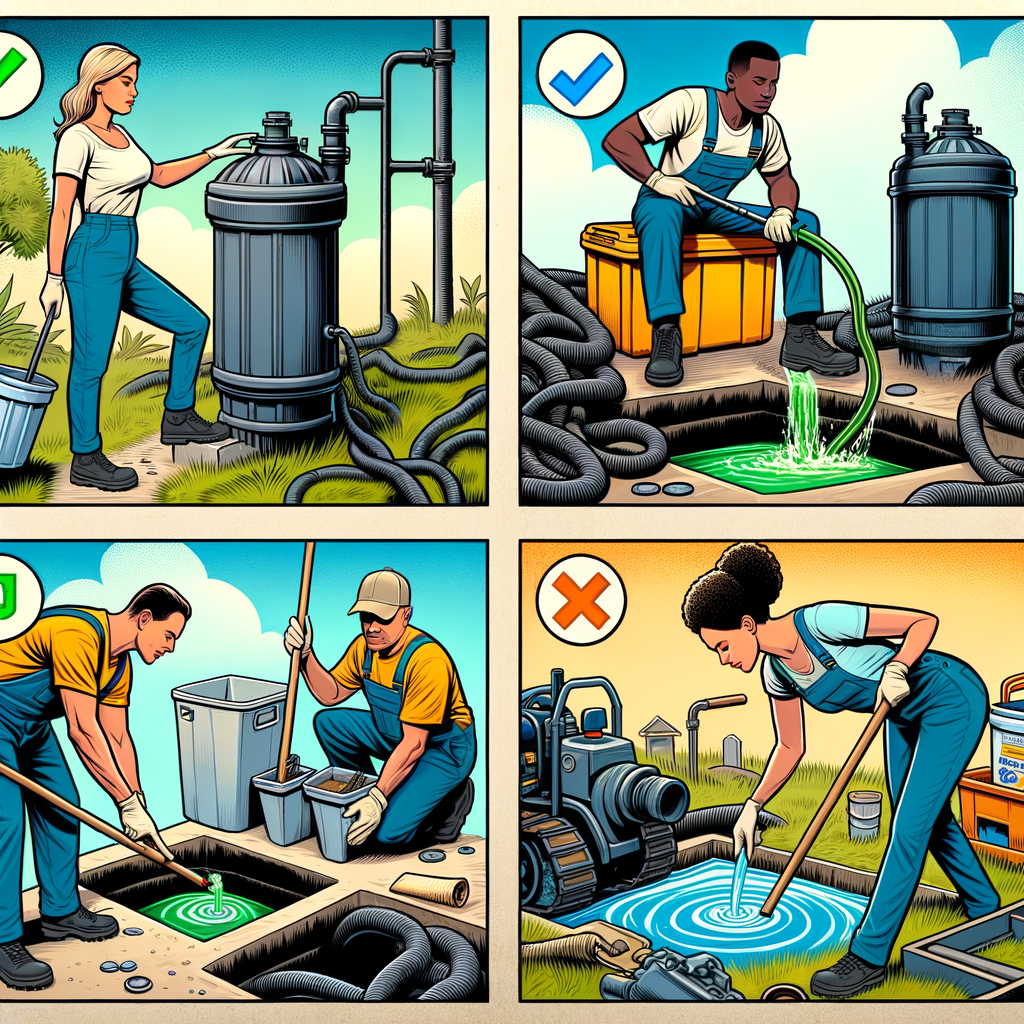
One of the most important aspects of septic tank maintenance is regular pumping. As solids accumulate in the tank, they need to be pumped out by a professional septic tank service provider. The frequency of pumping depends on several factors, such as the size of your tank, the number of people in your household, and your water usage. As a general guideline, tanks should be pumped every 3 to 5 years to prevent excessive buildup and ensure optimal system performance.
Watch What You Flush
Another vital aspect of septic tank care is being mindful of what you flush down the drains. Flushing non-biodegradable items, such as paper towels, sanitary products, grease, and chemicals, can wreak havoc on your septic system. These substances can disrupt the natural balance of bacteria in the tank, leading to clogs and system failures. To avoid costly repairs, only dispose of human waste and toilet paper in your septic system.
Maintain Your Drain Field
The drain field plays a crucial role in the treatment of effluent from the septic tank. To ensure proper functioning of the drain field, avoid parking vehicles or building structures over it. Compacting the soil in the drain field can impede the natural filtration process and lead to system failures. Additionally, avoid planting trees or shrubs near the drain field, as their roots can infiltrate the pipes and cause blockages.
Use Septic-Safe Products
Using septic-safe products in your household can also contribute to the longevity of your septic system. Opt for biodegradable, environmentally friendly cleaning products, laundry detergents, and soaps to avoid disrupting the natural balance of bacteria in the tank. Harsh chemicals can kill beneficial bacteria that break down waste, leading to system inefficiencies and potential backups.
Schedule Routine Inspections
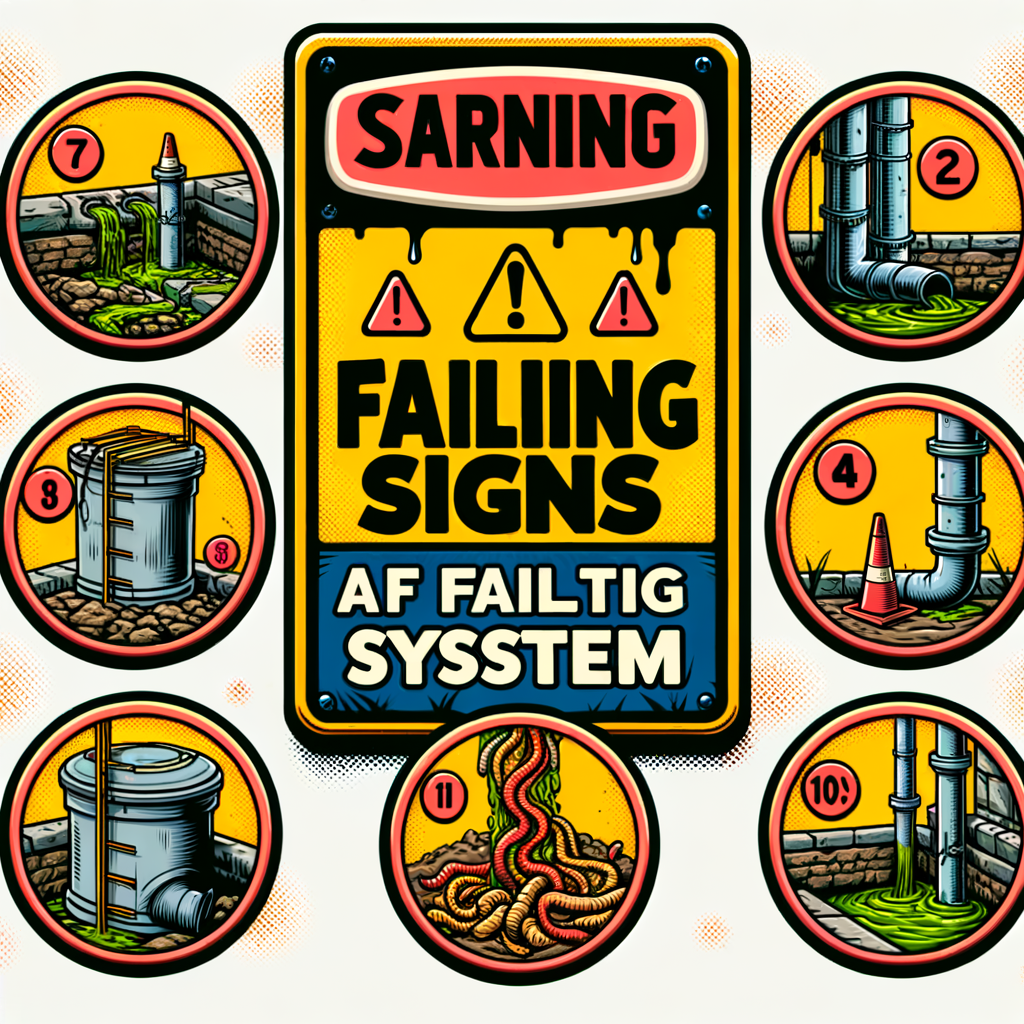
In addition to regular pumping, scheduling routine inspections of your septic system is essential in identifying potential issues before they escalate. A professional septic tank service provider can assess the condition of your tank, check for leaks or damage, and recommend any necessary repairs or maintenance. By staying proactive and addressing minor issues promptly, you can avoid costly repairs and prolong the lifespan of your septic system.
Conclusion
Proper maintenance of your septic tank is crucial for the health and longevity of your wastewater treatment system. By following these simple, effortless care tips, you can save thousands of dollars in repair costs and ensure the efficiency of your septic system for years to come. Remember that investing time and effort in maintaining your septic tank now can prevent significant headaches and expenses down the road.