
How Septic Tank Issues Can Impact Your Home’s Value
Septic tank issues are a concern that many homeowners may face at some point. A malfunctioning septic system can pose a variety of problems, ranging from unpleasant odors to more serious health hazards. Beyond the immediate inconvenience and potential health risks, septic tank issues can also significantly impact the value of your home. In this article, we will explore how septic tank issues can either boost or lower your home’s value, as well as provide insights on how to mitigate these concerns.
Understanding the Impact of Septic Tank Issues on Home Value
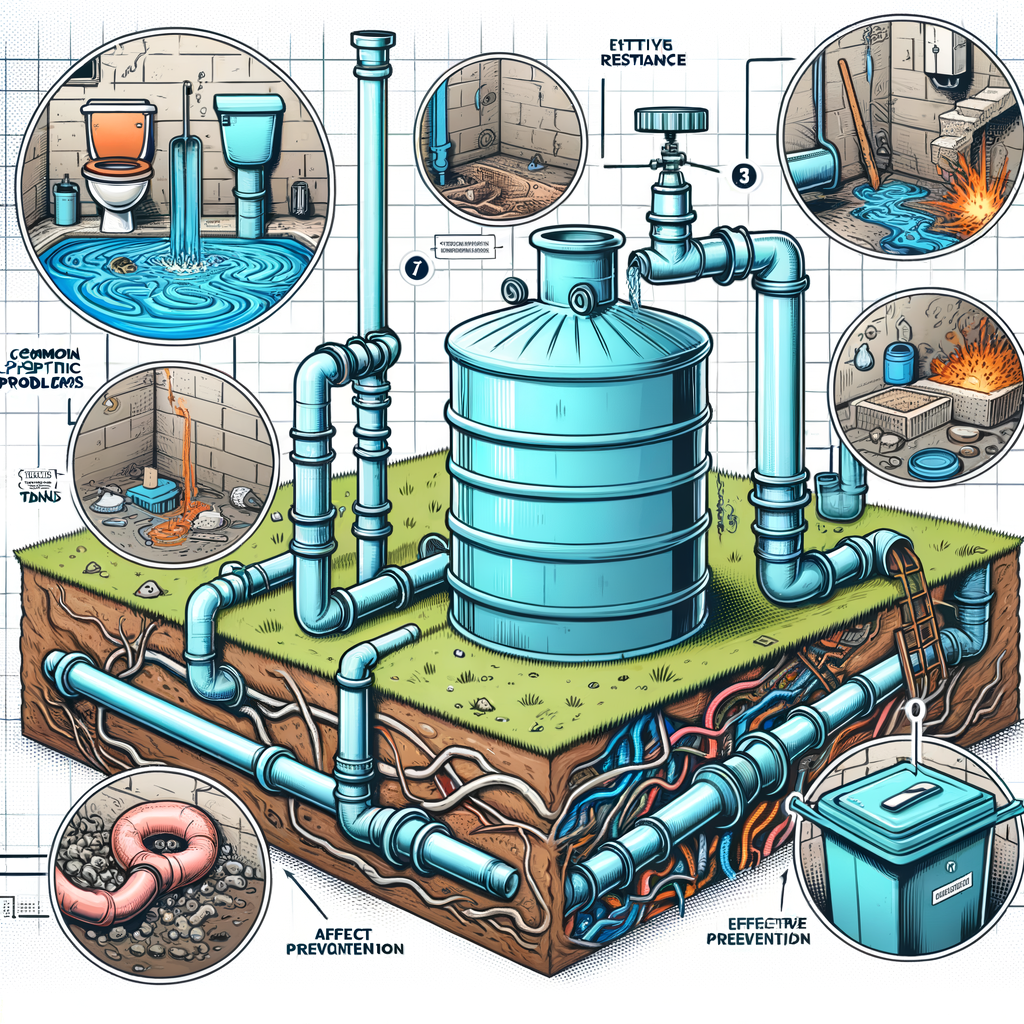
When it comes to the value of your home, the condition of your septic system plays a crucial role. A well-maintained septic tank that is in good working condition can increase your home’s value, as it signifies that the property has been properly cared for. On the other hand, if your septic system is experiencing issues such as leaks, overflows, or blockages, it can have a negative impact on your home’s value.
The Positive Effects of Addressing Septic Tank Issues
Taking proactive steps to address septic tank issues can actually boost your home’s value. By investing in proper maintenance and repairs, you can demonstrate to potential buyers that the property has been well-maintained and is in good condition. This can increase the overall desirability of your home and potentially result in a higher selling price.
The Negative Impacts of Ignoring Septic Tank Problems
Conversely, neglecting septic tank issues can lower your home’s value significantly. A dysfunctional septic system can lead to foul odors, sewage backups, and environmental contamination, all of which can deter potential buyers and decrease the perceived value of your property. Additionally, failing to address septic tank problems in a timely manner can result in costly repairs, further diminishing your home’s overall value.
Tips for Maintaining Your Septic System and Preserving Your Home’s Value
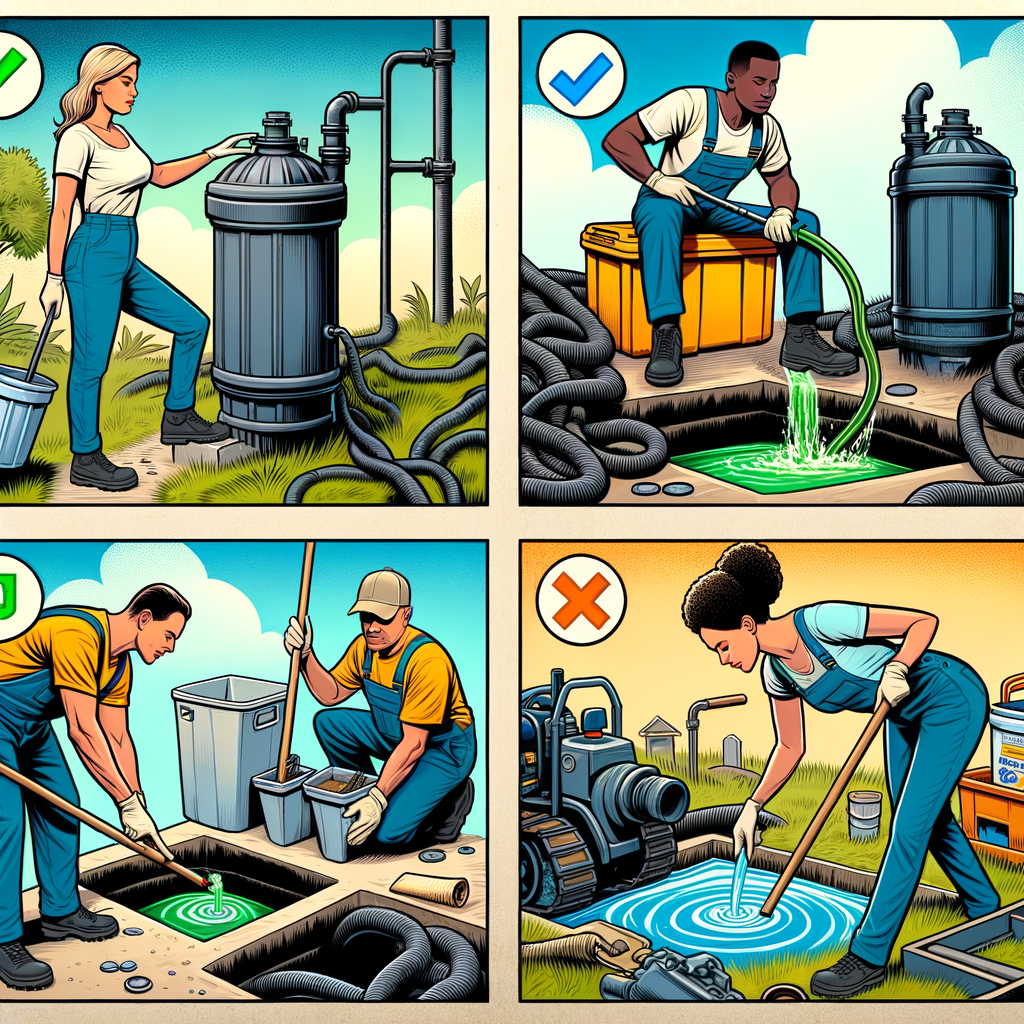
To ensure that your septic system remains in good condition and maintains your home’s value, it is essential to prioritize regular maintenance. Here are some tips to help you avoid septic tank issues:
1. Schedule routine inspections and pumpings to prevent buildup and ensure proper functioning.
2. Avoid flushing non-biodegradable items down the drains and toilets to prevent clogs.
3. Monitor your water usage and be mindful of excessive water usage, which can strain your septic system.
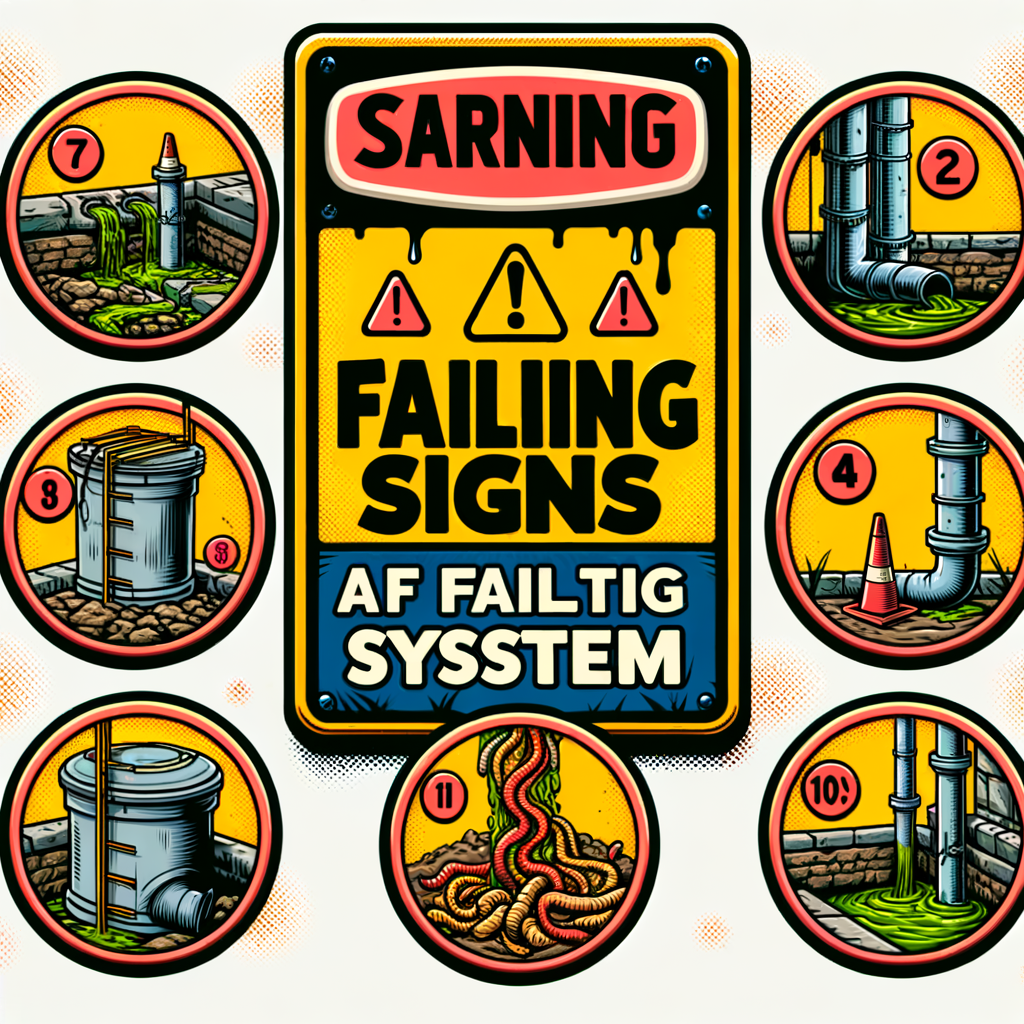
4. Promptly address any signs of septic tank issues, such as slow drains, gurgling noises, or foul odors.
By being proactive in maintaining your septic system, you can preserve your home’s value and avoid potential issues that could impact your property’s marketability.
Conclusion
In conclusion, septic tank issues can have a significant impact on your home’s value. By addressing problems in a timely manner and prioritizing regular maintenance, you can boost your home’s value and ensure that your property remains an attractive investment. Conversely, neglecting septic tank issues can lower your home’s value and create potential challenges when it comes time to sell. Remember, maintaining your septic system is not just essential for your comfort and health but also plays a crucial role in preserving the value of your home.