
Septic Tank Do’s and Don’ts: Best Practices for Homeowners
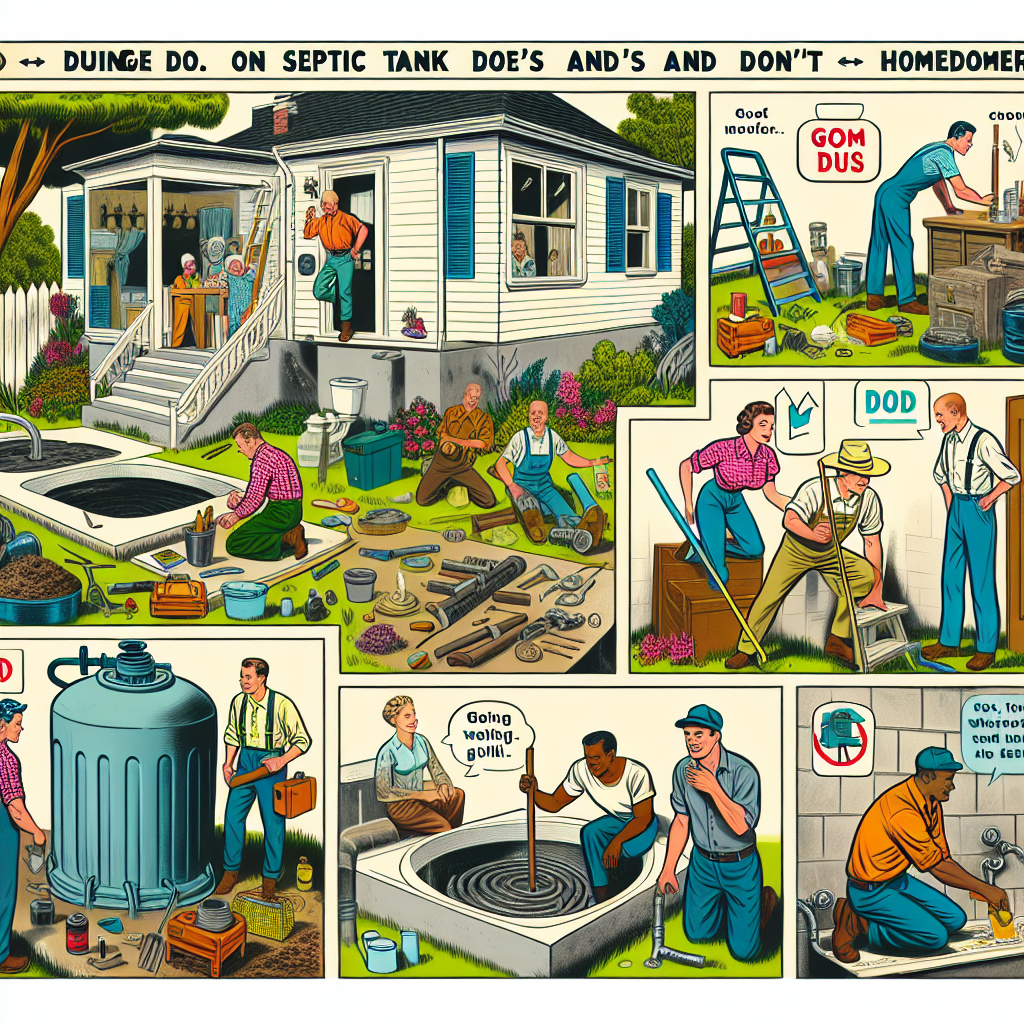
Septic tanks are a crucial component of many homes that are not connected to municipal sewage systems. Proper maintenance and care of your septic tank can ensure its longevity and prevent costly repairs. Understanding the do’s and don’ts of septic tank care is essential for homeowners to avoid potential issues and maintain a healthy septic system.
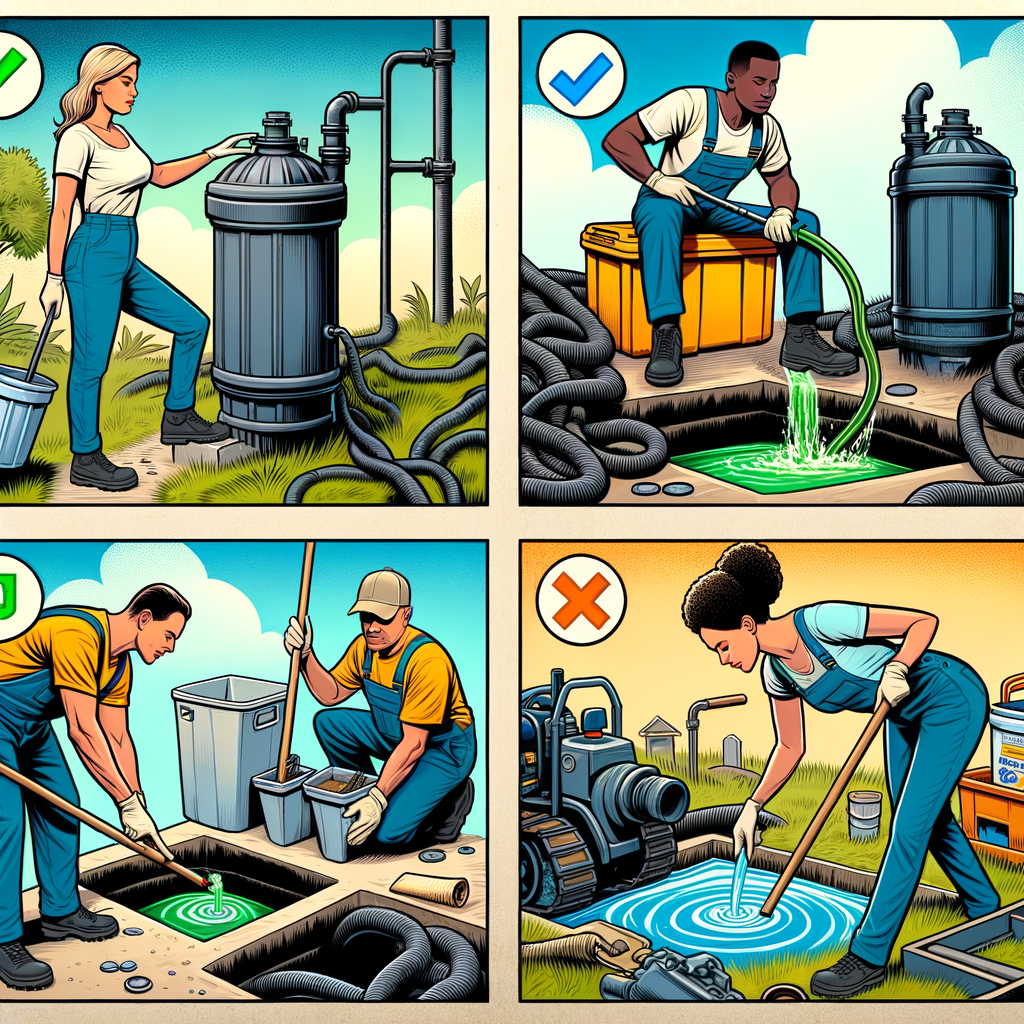
Do’s:
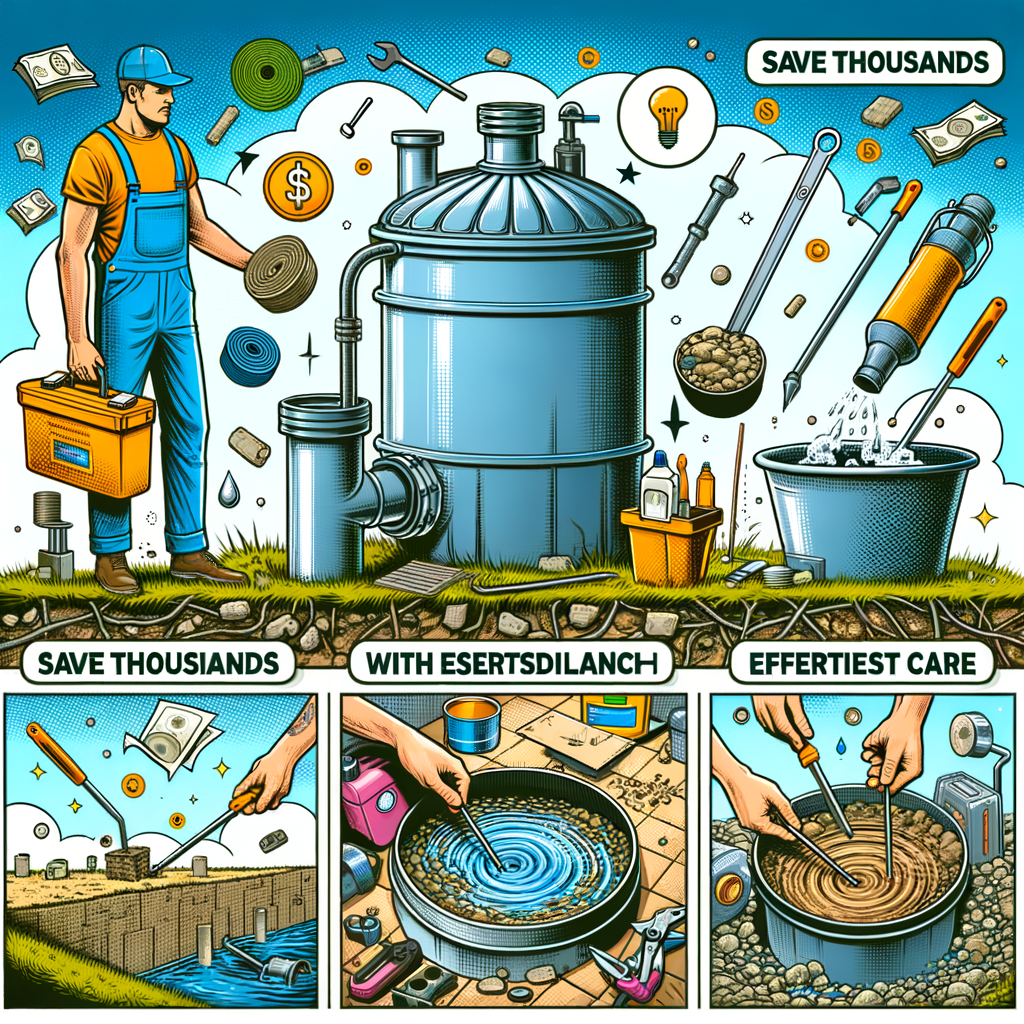
Regular Pumping: One of the most important practices for septic tank maintenance is regular pumping. Experts recommend pumping your septic tank every 3-5 years to remove accumulated solids and prevent clogs. This routine maintenance helps prevent backups and system failures.
Conserve Water: Conserving water can help reduce the load on your septic system. Be mindful of water usage by fixing leaky faucets, using high-efficiency appliances, and spreading out laundry loads over the week. Overloading your septic tank with excess water can disrupt the balance of bacteria needed for proper waste breakdown.
Use Septic-Safe Products: When it comes to cleaning products, opt for septic-safe alternatives. Harsh chemicals can kill the beneficial bacteria in your septic tank, disrupting the natural treatment process. Look for biodegradable and environmentally friendly cleaning products labeled as safe for septic systems.
Regular Inspections: Schedule regular inspections by a professional to check for any signs of damage or leaks. Early detection of issues can prevent larger problems down the line. A septic system inspection can identify problems early on and save you money on repairs.
Don’ts:
Flush Non-Biodegradable Items: Avoid flushing non-biodegradable items down the drain or toilet. Items like diapers, wipes, feminine hygiene products, paper towels, and cigarette butts can clog your septic system and lead to backups. Only flush human waste and toilet paper.
Use Excessive Chemicals: Limit the use of chemical drain cleaners, as they can harm the beneficial bacteria in your septic tank. Instead, opt for enzyme-based cleaners that are gentle on your septic system. Additionally, avoid pouring cooking oils and grease down the drain, as they can solidify and cause blockages.
Drive or Build Over the Septic Tank Area: Avoid driving heavy vehicles or building structures over your septic tank and drain field. The weight and pressure from these activities can damage the system, leading to costly repairs. Keep the area above your septic system clear of any heavy objects or vehicles.
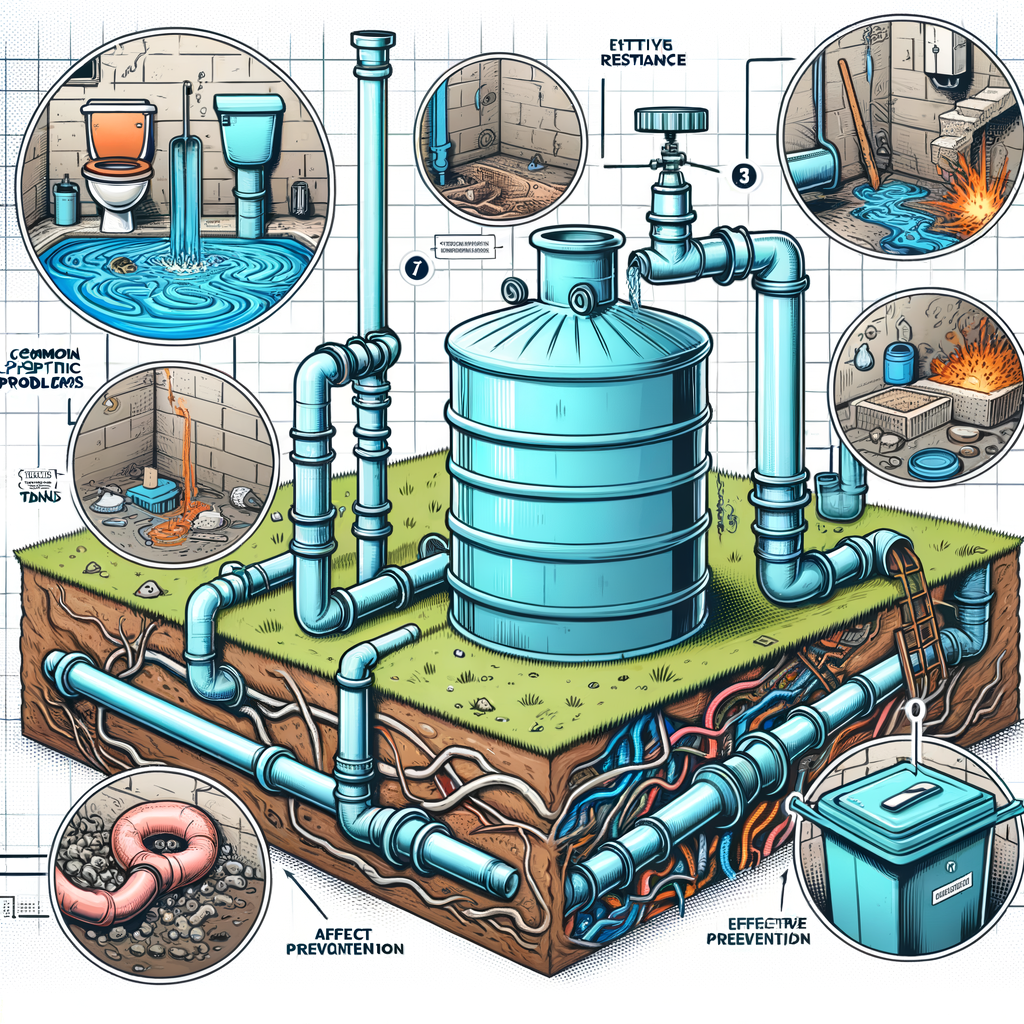
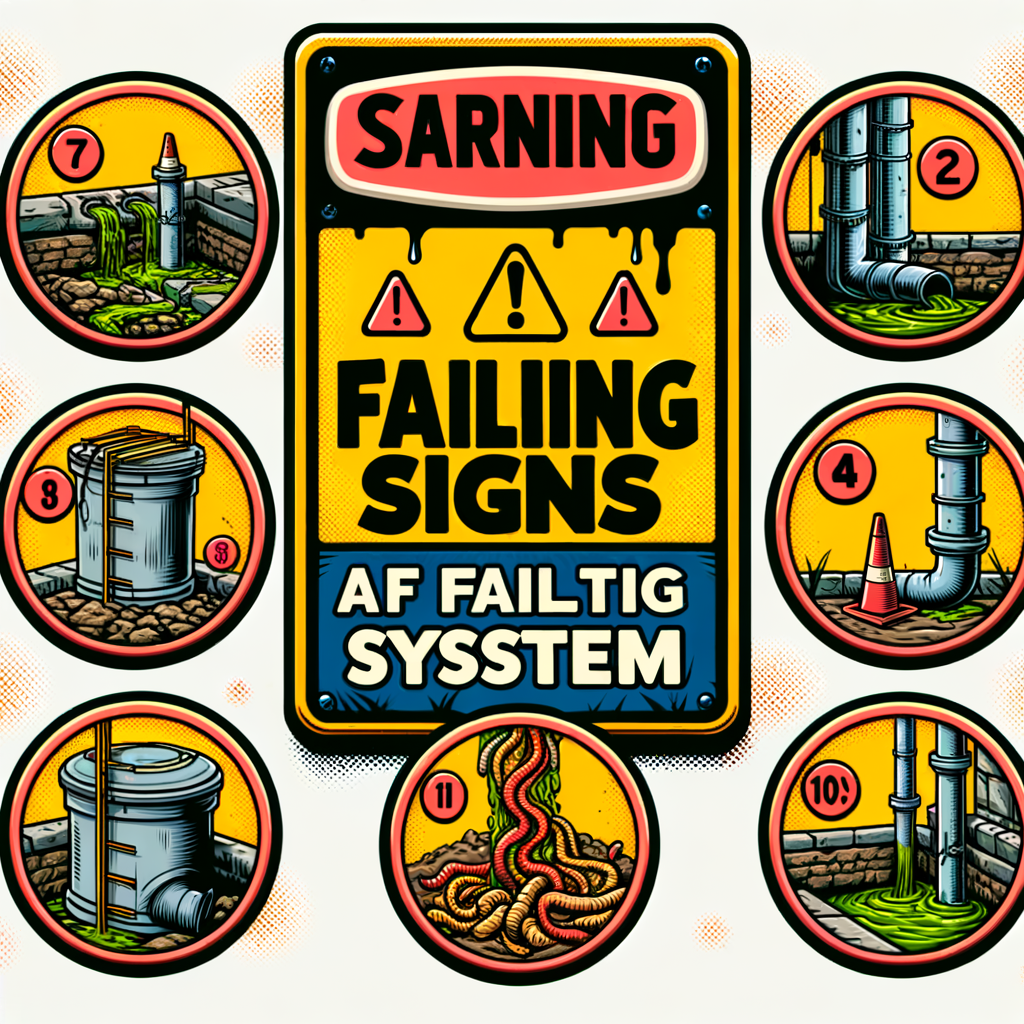
Ignore Warning Signs: Pay attention to any warning signs of septic tank problems, such as slow drains, foul odors, gurgling noises, or wet spots in your yard. Ignoring these signs can result in serious septic issues that may require extensive repairs. Addressing problems promptly can help prevent further damage.
In conclusion, following these do’s and don’ts of septic tank care can help homeowners maintain a healthy and functional septic system. Regular maintenance, proper waste disposal practices, and vigilance are key to ensuring the longevity and efficiency of your septic tank. By implementing these best practices, you can avoid costly repairs and ensure the smooth operation of your septic system for years to come.