
Septic Tank Concrete Repairs: Essential Tips and Solutions
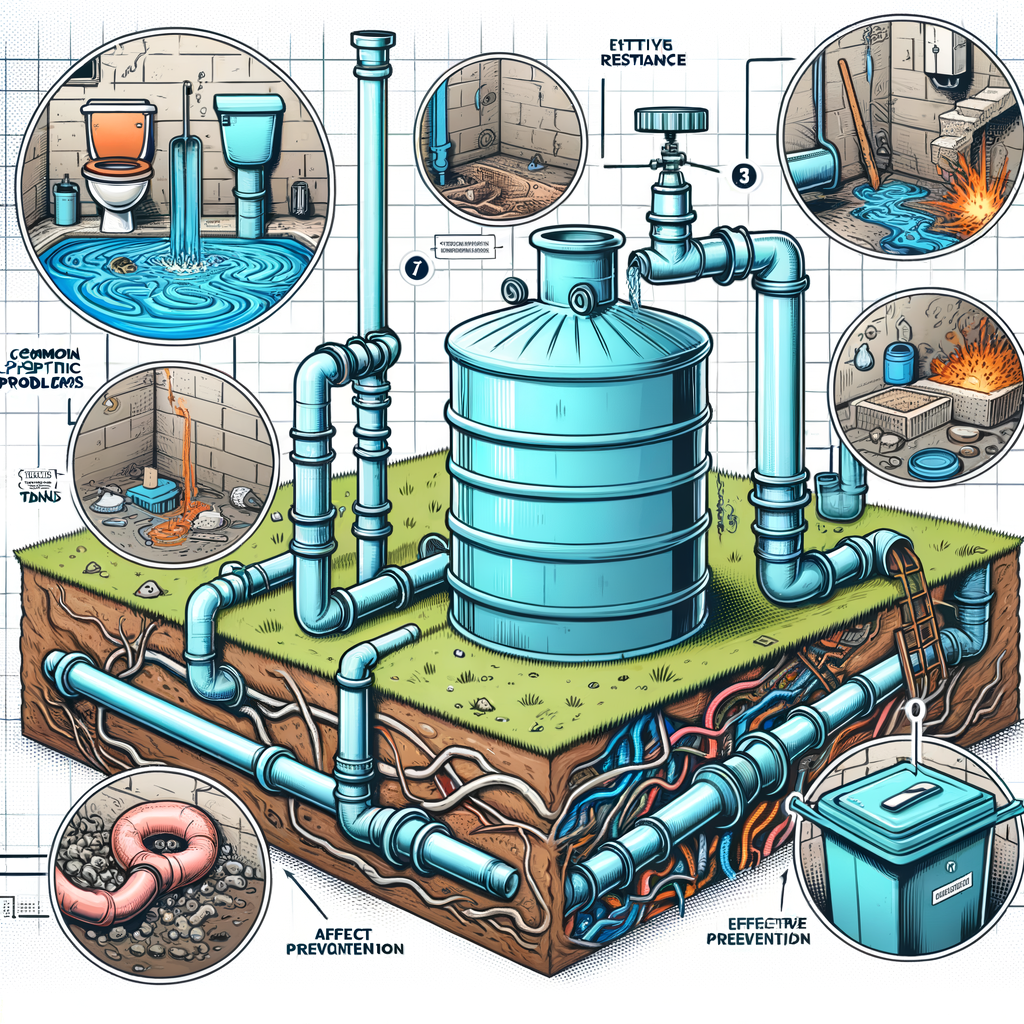
Septic tank concrete repairs are crucial for maintaining the integrity and functionality of your septic system. Over time, concrete septic tanks can develop cracks, leaks, or other forms of damage that need to be addressed promptly to prevent more extensive issues. In this article, we will explore some essential tips and solutions for repairing concrete septic tanks effectively.
Understanding the Importance of Septic Tank Concrete Repairs
Proper maintenance of your septic tank is essential to ensure that it operates efficiently and lasts for many years. Concrete septic tanks are durable, but they are not immune to wear and tear. Cracks or leaks in the concrete can lead to sewage leakage, groundwater contamination, and potential environmental hazards. Timely repairs help prevent these problems and prolong the lifespan of your septic system.
Signs of Concrete Septic Tank Damage
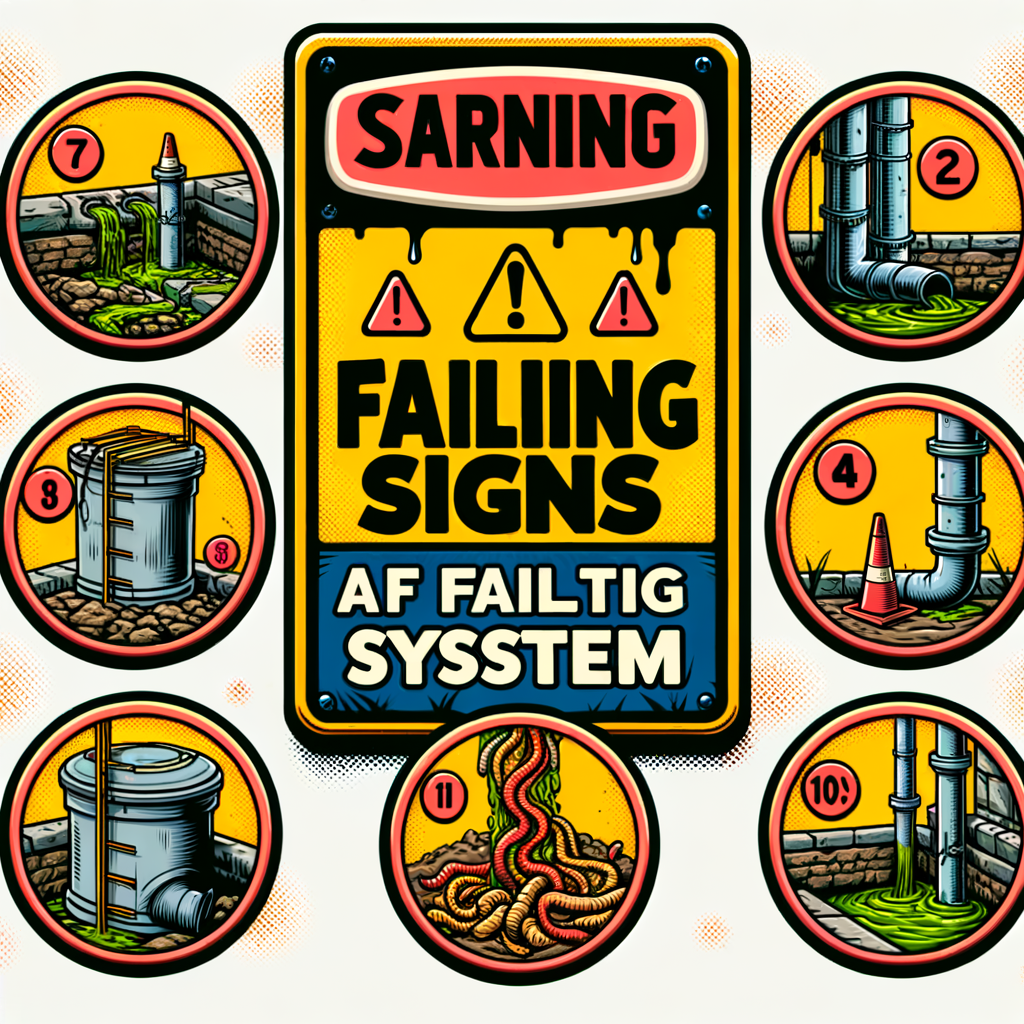
Before embarking on any repairs, it’s crucial to identify signs of damage in your concrete septic tank. Common indicators include foul odors around the tank, pooling water or effluent on the ground above the tank, slow draining fixtures, or unusually lush grass near the tank area. If you notice any of these signs, it’s essential to inspect the tank for visible cracks, leaks, or structural issues.
Essential Tips for Repairing Concrete Septic Tanks
1. Assess the Damage: Begin by thoroughly inspecting the tank to determine the extent of the damage. Small hairline cracks may only require sealing, while larger cracks or structural issues may necessitate more extensive repairs.
2. Choose the Right Repair Materials: Select high-quality concrete or epoxy-based repair materials specifically designed for septic tank applications. These materials should be waterproof, durable, and able to withstand the harsh conditions inside the tank.
3. Clean and Prepare the Surface: Before applying any repair material, clean the damaged area thoroughly to remove debris, dirt, and loose materials. Proper surface preparation ensures better adhesion and long-lasting repairs.
4. Fill Cracks and Seal Leaks: Use the chosen repair material to fill any cracks or leaks in the concrete. Follow the manufacturer’s instructions carefully to ensure proper application and curing of the repair material.
5. Reinforce Structural Integrity: For more significant damage or structural issues, consider reinforcing the concrete with additional supports or materials. This may involve patching, resurfacing, or even rebuilding sections of the tank as needed.
Professional Assistance for Complex Repairs
While minor repairs can often be handled by homeowners with some DIY skills, complex or extensive damage may require professional assistance. Professional septic tank repair specialists have the expertise, equipment, and knowledge to assess, repair, and maintain concrete septic tanks effectively.
Preventive Maintenance for Long-Term Sustainability
In addition to prompt repairs, regular maintenance is key to ensuring the longevity and performance of your concrete septic tank. Schedule routine inspections, pumpings, and maintenance checks to catch potential issues early and prevent costly repairs down the line.
Conclusion
Septic tank concrete repairs are essential for maintaining the functionality and efficiency of your septic system. By understanding the importance of timely repairs, recognizing signs of damage, following essential repair tips, and investing in preventive maintenance, you can ensure that your concrete septic tank remains in optimal condition for years to come. Remember, proactive care and prompt repairs are the foundation of a sustainable and reliable septic system.