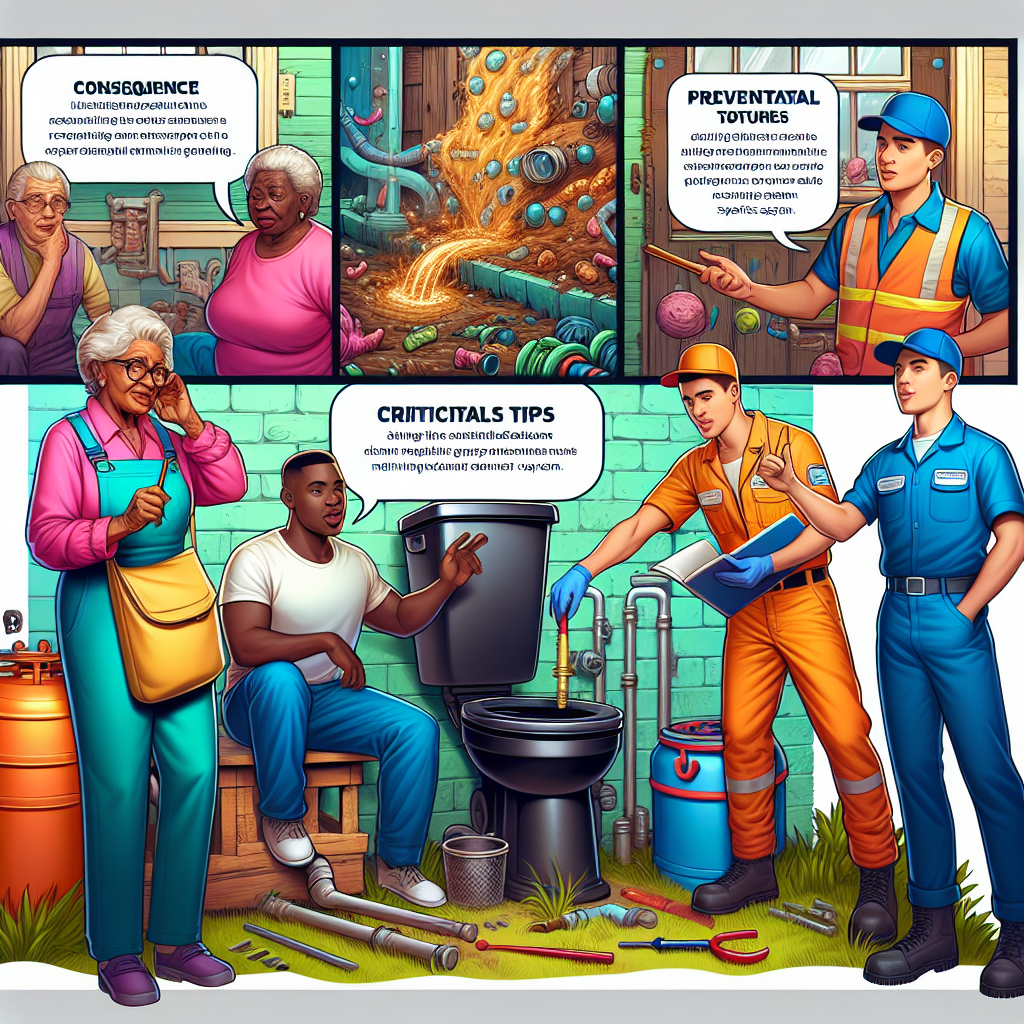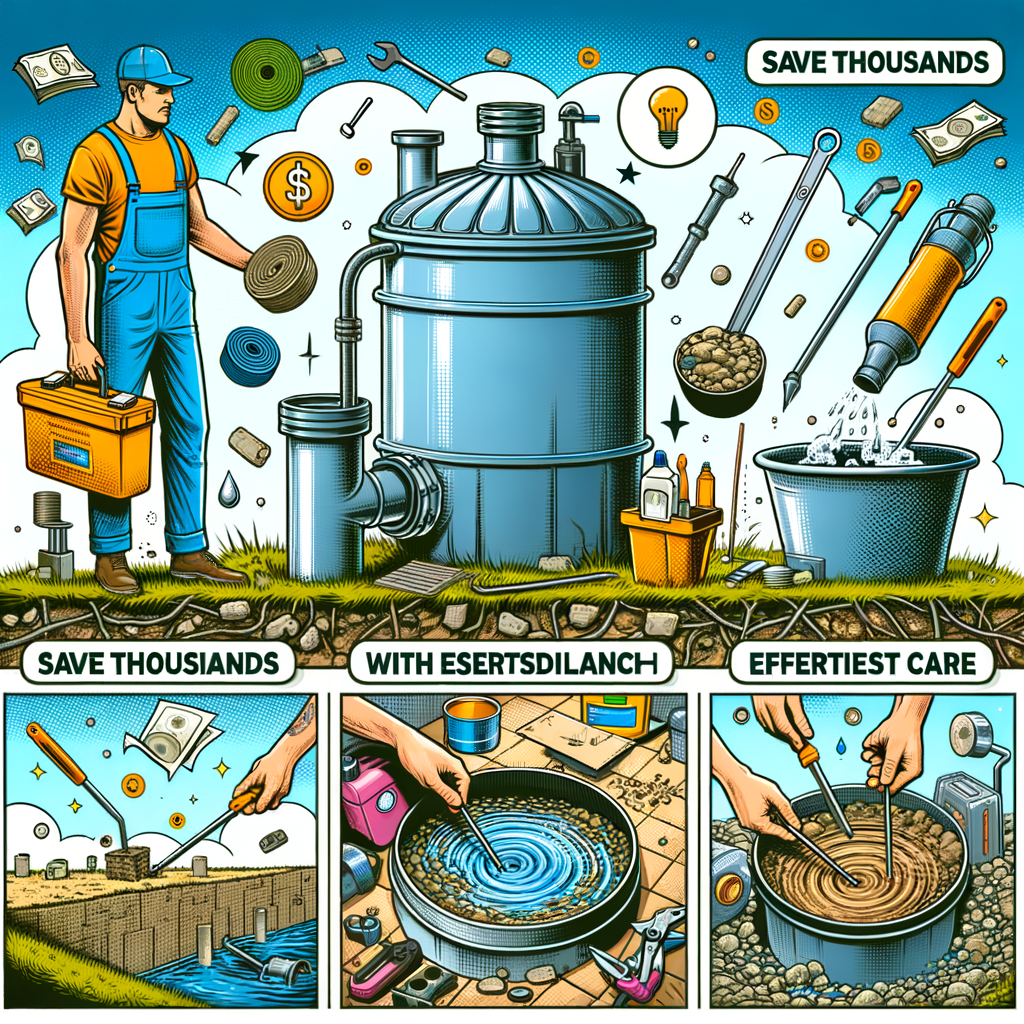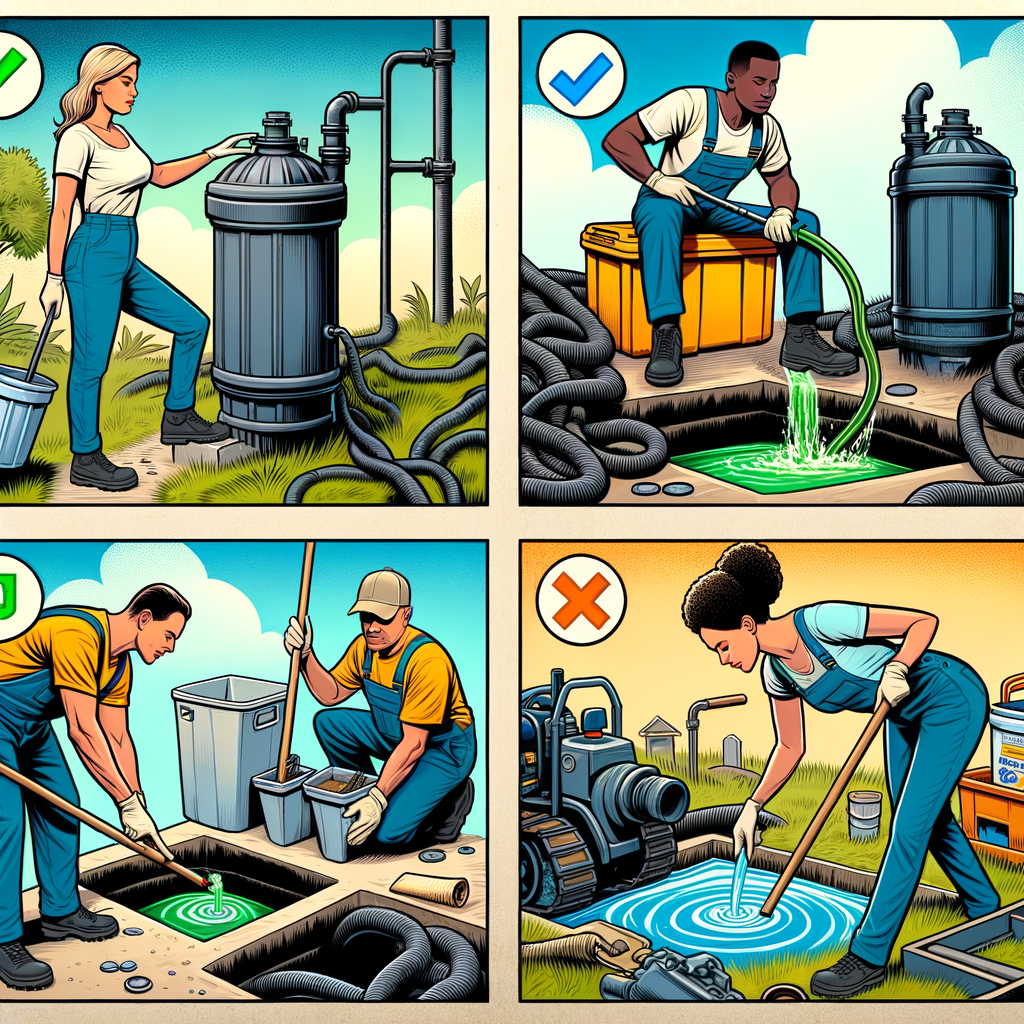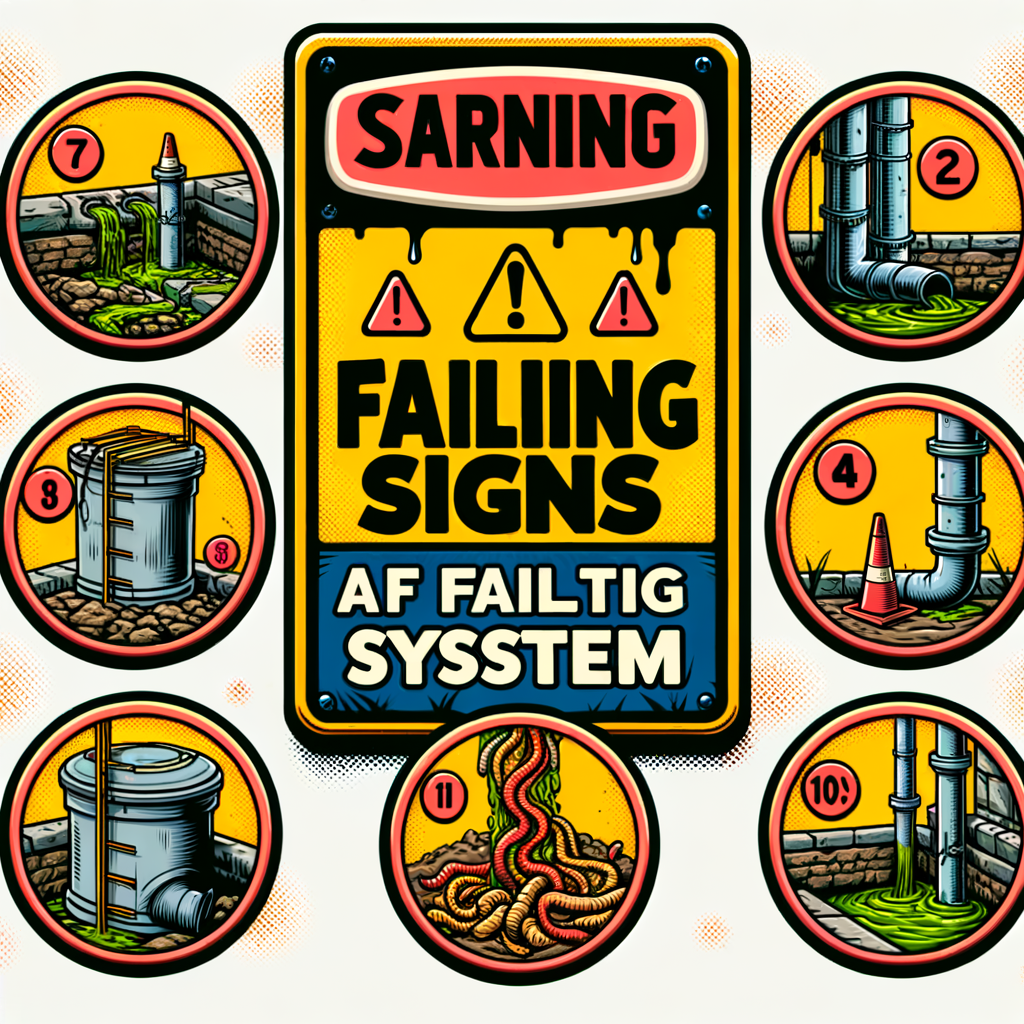
The septic system is a crucial component of your home’s plumbing infrastructure, responsible for the disposal of wastewater from sinks, toilets, showers, and laundry. However, septic system problems can lead to unpleasant and costly issues if left unaddressed. To prevent these problems and maintain the functionality of your septic system, it is essential to implement proactive strategies and maintenance routines. In this article, we will discuss must-know tips for preventing septic system problems, ensuring the longevity and efficiency of your home’s wastewater disposal system.
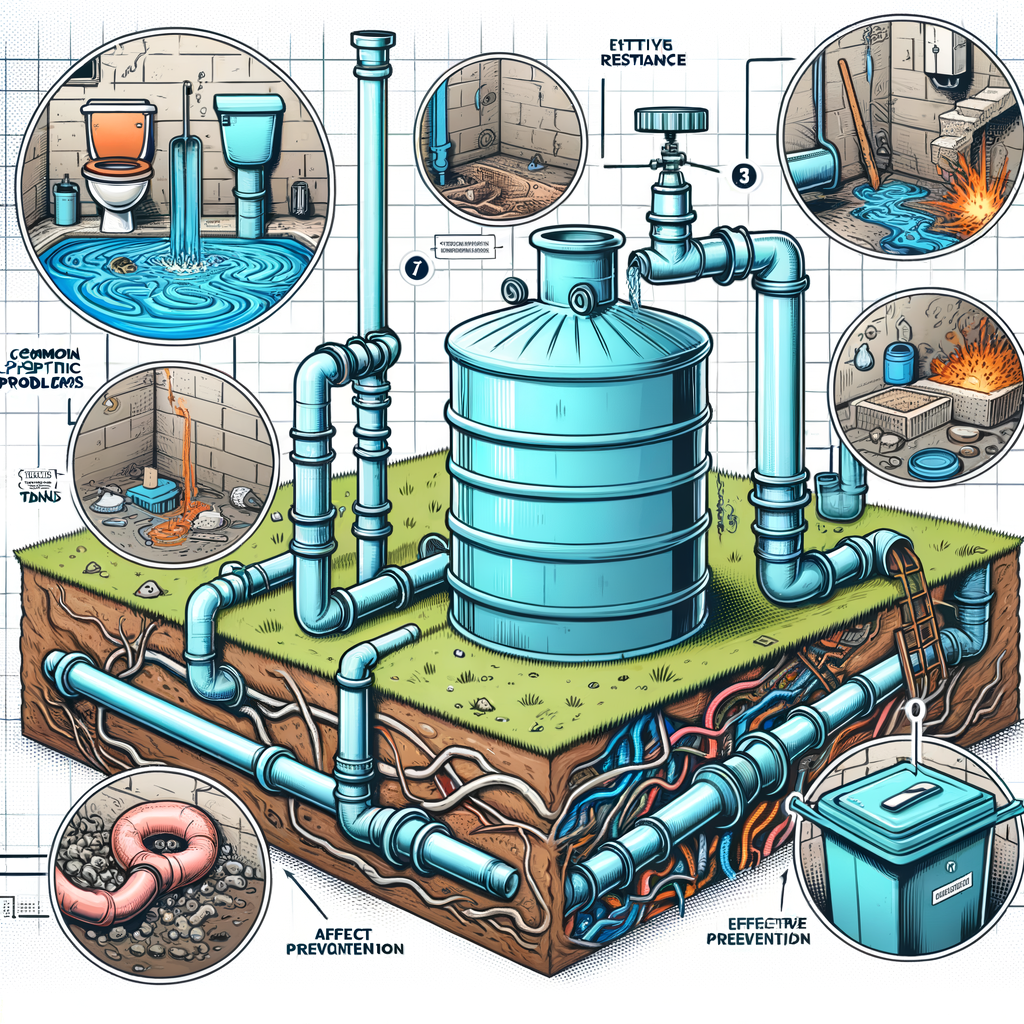
Understanding how a septic system works is the first step in preventing potential issues. A septic system consists of a septic tank and a drain field. The tank collects and separates solid waste from the liquid effluent, which then flows into the drain field for natural filtration. Over time, the tank accumulates solid waste, which must be periodically pumped out to prevent clogs and backups in the system.
Regular Maintenance and Inspections
Regular maintenance and inspection are vital for the health of your septic system. Schedule a professional inspection at least once a year to check for any signs of leaks, damage, or blockages. Additionally, pump your septic tank every 3-5 years, depending on the size of your household and water usage. Pumping the tank removes built-up sludge and prevents it from clogging the drain field.
Water Conservation
Conserving water is key to maintaining a healthy septic system. Excessive water usage can overwhelm the system, leading to backups and drainage issues. Implement water-saving practices in your household, such as fixing leaky faucets, using low-flow fixtures, and spreading out laundry loads over the week. By reducing water consumption, you can ease the strain on your septic system and prevent potential problems.
Proper Waste Disposal
Watch what you flush down the drain or toilet to prevent clogs and damage to your septic system. Avoid flushing non-biodegradable items, grease, oil, chemicals, and medications, as these can disrupt the natural bacterial balance in the tank and harm the drain field. Use septic-safe toilet paper and cleaning products to maintain a healthy microbial environment in the tank.
Landscaping and Drain Field Care
Protecting the drain field is essential for the proper functioning of your septic system. Avoid planting trees or shrubs near the drain field to prevent root intrusion, which can damage the pipes and lead to costly repairs. Additionally, keep heavy vehicles and equipment off the drain field to prevent soil compaction and damage to the underground components.
Be Mindful of What Goes into the Drain
Septic systems are designed to handle organic waste, toilet paper, and wastewater. Avoid disposing of household chemicals, paints, pesticides, and other toxic substances down the drain, as these can disrupt the microbial balance in the tank and harm the drain field. Opt for environmentally-friendly cleaning products and proper disposal methods for hazardous materials.
Educate Household Members
Lastly, educate everyone in your household about the importance of septic system maintenance and proper usage. Encourage water conservation practices, proper waste disposal habits, and regular maintenance routines to ensure the longevity and efficiency of your septic system. By involving all household members in the care of the septic system, you can prevent problems and minimize the risk of system failures.
In conclusion, septic system problems can be avoided with proactive maintenance, proper usage habits, and regular inspections. By following the tips outlined in this article, you can prevent costly repairs, backups, and environmental damage associated with septic system issues. Remember that a well-maintained septic system is essential for the health and functionality of your home’s wastewater disposal system.