Septic System Maintenance: Essential Do’s and Don’ts
When it comes to managing household waste, especially in rural areas or properties not connected to municipal sewer systems, septic systems play a vital role. Proper maintenance of a septic system is crucial to ensure its efficiency and longevity. Neglecting septic system care can lead to costly repairs, foul odors, and environmental contamination. In this article, we will discuss the essential do’s and don’ts of septic system maintenance to help you keep your system running smoothly and effectively.
Do Perform Regular Inspections
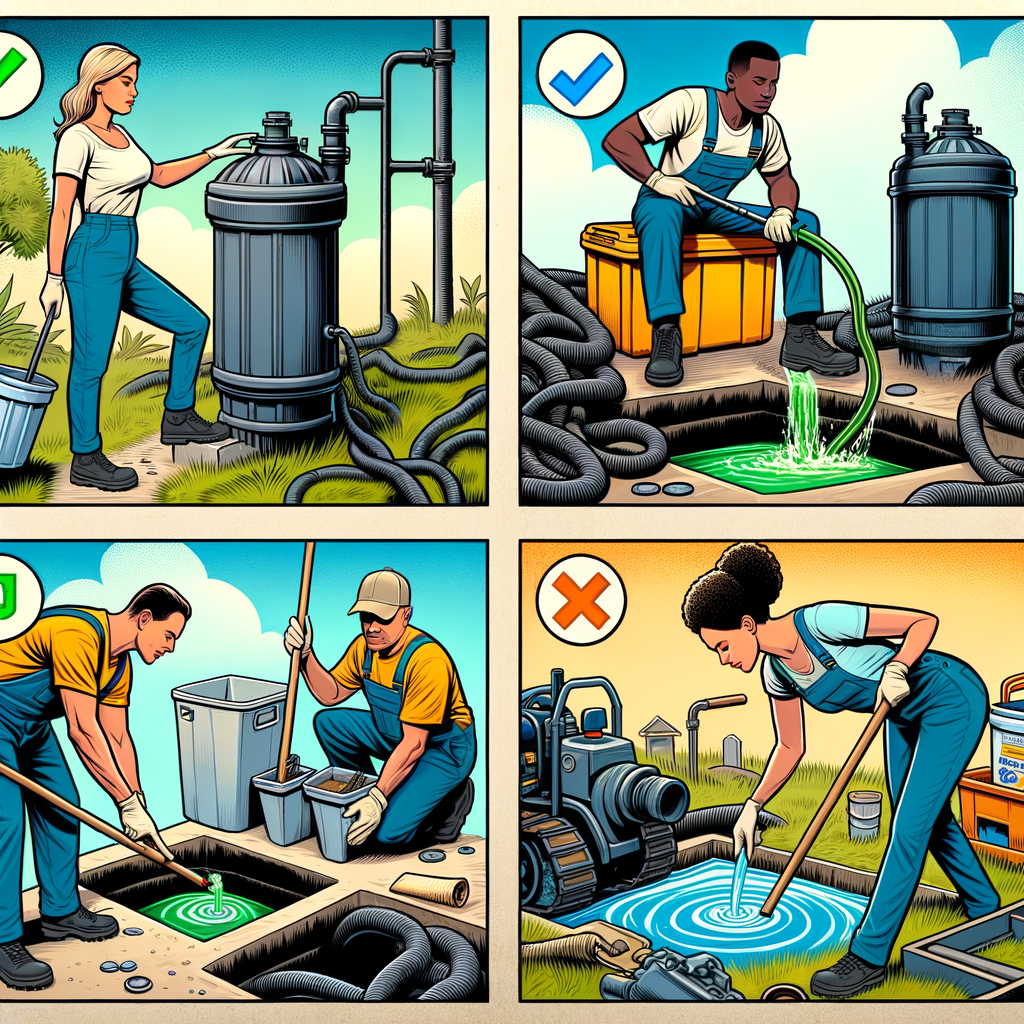
Regular inspections of your septic system are crucial in detecting any issues early on. Be sure to inspect the tank, drain field, and pipes for any signs of leaks, blockages, or damage. A professional inspection by a licensed septic system technician is recommended every 3-5 years to ensure everything is in proper working order.
Don’t Neglect Pumping
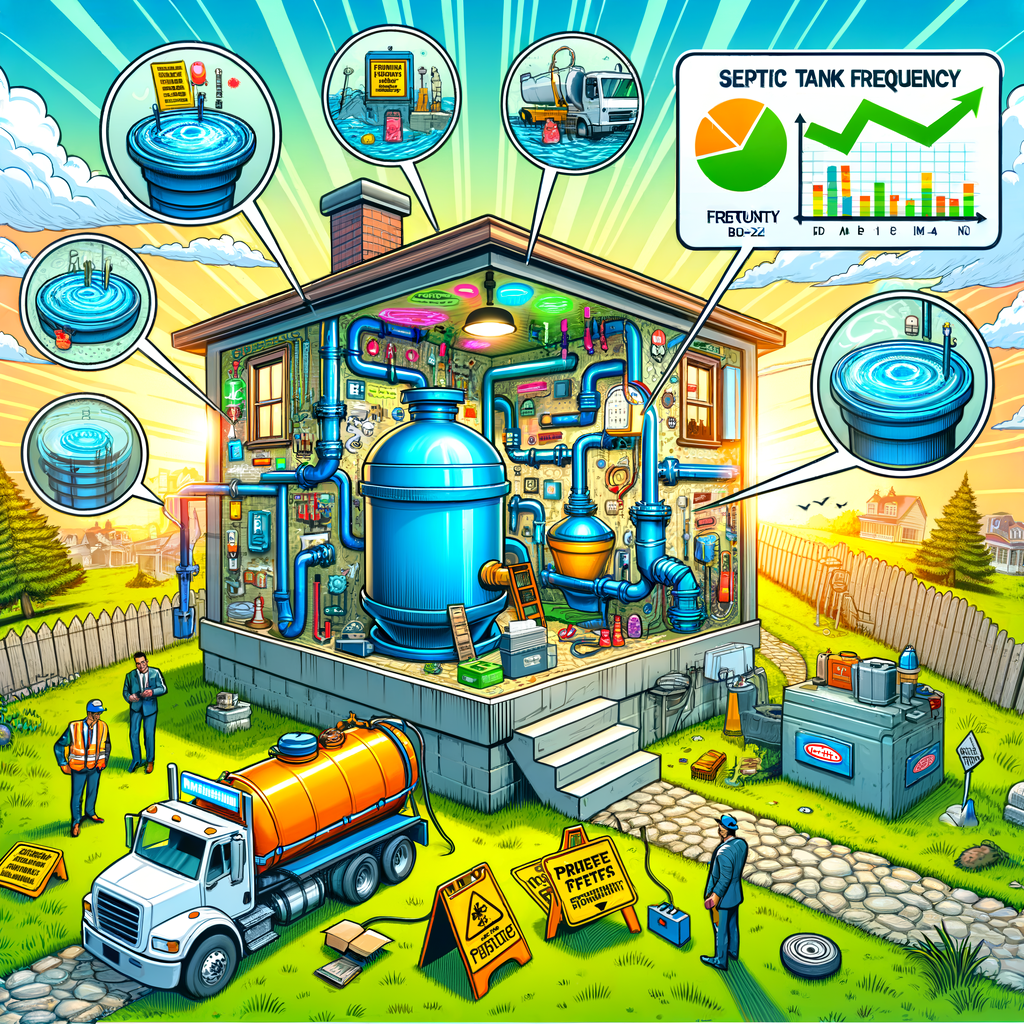
Septic tanks need to be pumped regularly to remove accumulated sludge and scum. The frequency of pumping depends on the tank size, household size, and water usage. As a general guideline, septic tanks should be pumped every 3-5 years. Neglecting pumping can lead to clogs, backups, and system failure.
Do Conserve Water
Conserving water is key to maintaining a healthy septic system. Excessive water usage can overload the system, leading to inefficiency and potential issues. Install low-flow fixtures, fix leaky faucets, and spread out laundry and dishwasher loads to ensure the system is not overwhelmed with water.
Don’t Flush Non-Biodegradable Items
Only human waste and toilet paper should go down the toilet. Flushing non-biodegradable items such as paper towels, wipes, feminine hygiene products, and chemicals can disrupt the balance of the septic system and cause clogs. Use a trash can for disposing of these items to prevent damage to your system.
Do Use Septic-Safe Products
When it comes to cleaning products, choose septic-safe options that are biodegradable and environmentally friendly. Harsh chemicals can kill the beneficial bacteria in the septic tank that are essential for breaking down waste. Opt for natural, septic-safe cleaners to maintain a healthy microbial balance in your system.
Don’t Plant Trees Near the Drain Field
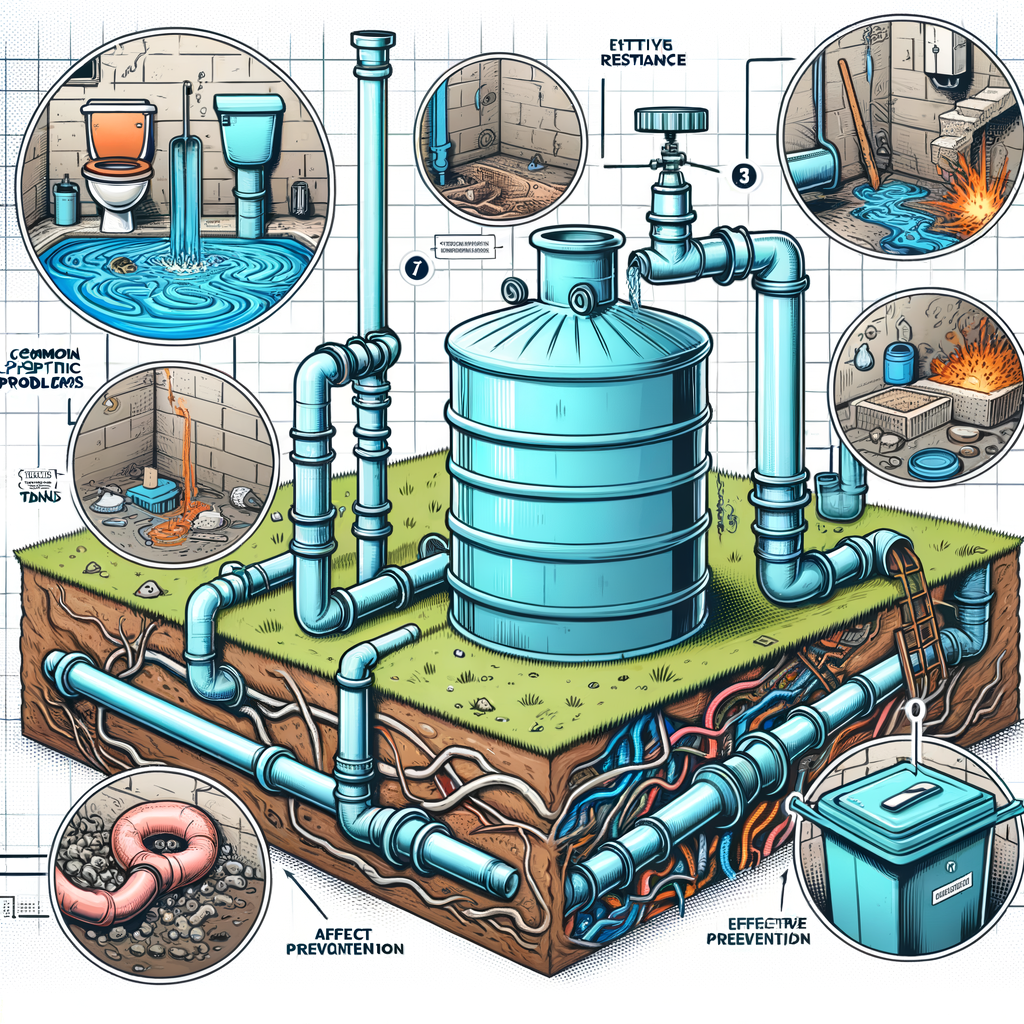
The drain field is a critical component of the septic system responsible for filtering and treating wastewater. Avoid planting trees or shrubs near the drain field as their roots can infiltrate and damage the pipes, leading to system malfunctions. Keep the area clear to ensure proper functioning of the drain field.
Do Mind What Goes Down the Drain
Be conscious of what goes down your drains to prevent clogs and backups in the septic system. Avoid pouring grease, oil, coffee grounds, chemicals, and food scraps down the sink. Use a strainer to catch food particles and dispose of kitchen waste properly to maintain the health of your septic system.
Conclusion
Taking care of your septic system is essential for the well-being of your home and the environment. By following these do’s and don’ts of septic system maintenance, you can ensure that your system operates efficiently and effectively for years to come. Remember to schedule regular inspections, conserve water, pump the tank when necessary, use septic-safe products, and be mindful of what goes down the drain to keep your septic system in optimal condition. With proper care and maintenance, your septic system will continue to serve your household reliably.