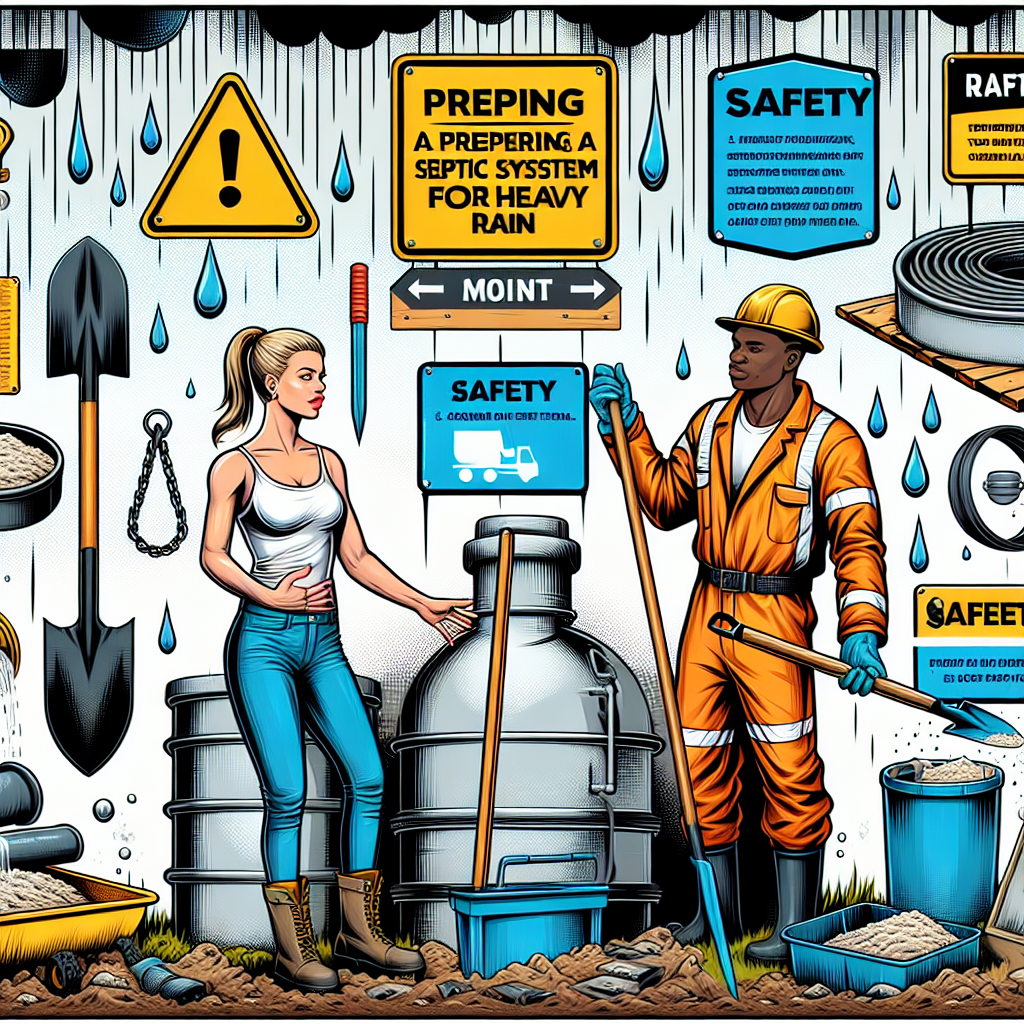

Septic systems require regular maintenance and care to ensure optimal performance, especially during heavy rain seasons. Heavy rainfall can put stress on septic systems and increase the risk of potential problems such as backups and overflows. To safeguard your septic system and prevent costly repairs, it is crucial to take proactive steps to prepare for heavy rain. By following a few essential tips, you can protect your septic system and maintain its efficiency even in the face of inclement weather.
Understanding the Impact of Heavy Rain on Septic Systems
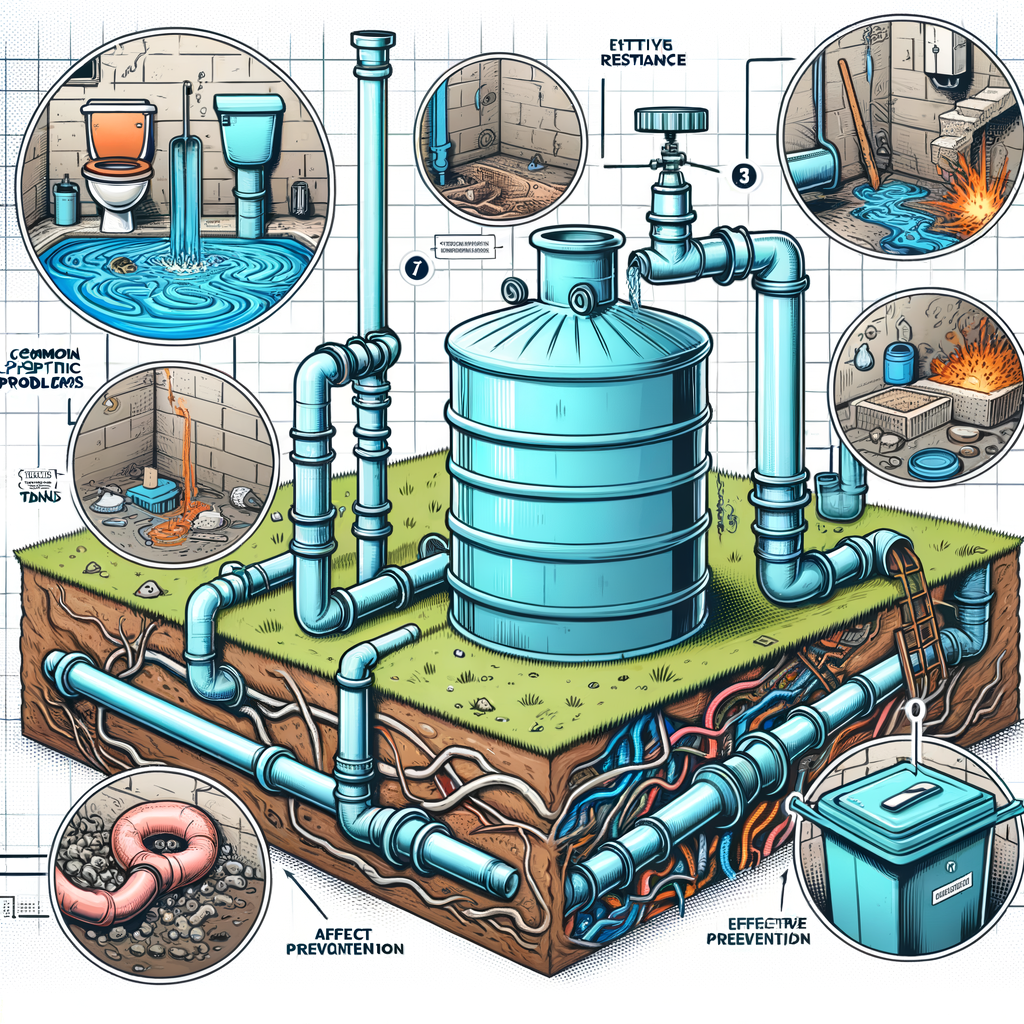
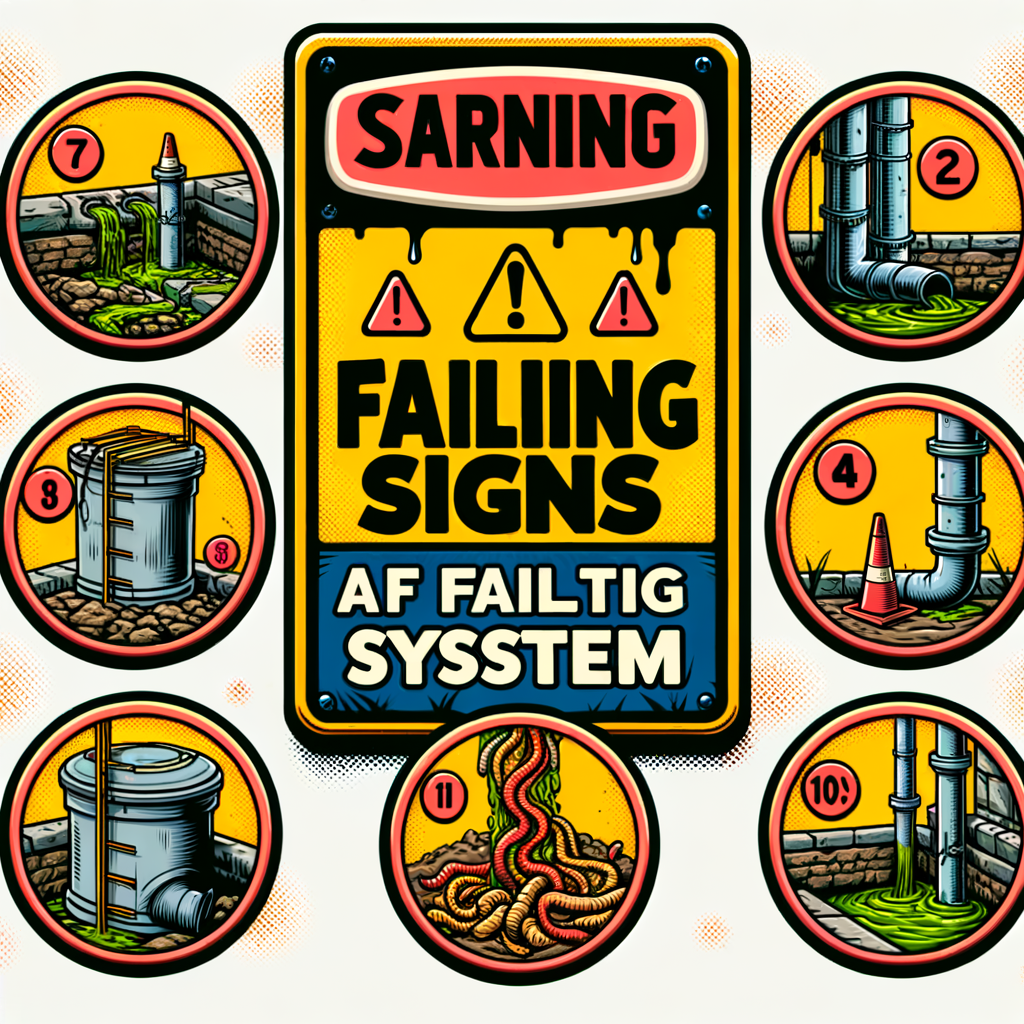
Heavy rain can significantly impact septic systems by saturating the soil around the drain field. When the soil becomes oversaturated, it hinders the proper drainage of wastewater from the septic tank into the soil. Excessive water in the drain field can lead to system overload, causing backups, foul odors, and potential damage to the system components. To prevent these issues, it’s essential to prepare your septic system for heavy rainfall and minimize the risk of system failure.
Inspect and Pump Your Septic Tank Regularly
One of the fundamental steps in preparing your septic system for heavy rain is to ensure that your septic tank is regularly inspected and pumped. Over time, solid waste accumulates in the tank, reducing its capacity to accommodate wastewater. Before heavy rain hits, schedule a professional inspection and pumping service to remove excess solids and prevent potential backups during heavy rainfall. Regular maintenance helps maintain the proper functioning of your septic system and reduces the risk of costly repairs.
Check for Leaks and Proper Insulation
Inspect the components of your septic system, including pipes, valves, and fittings, for any signs of leaks or damage. Ensure that all components are properly insulated to prevent freezing during cold and rainy weather. Leaks in the system can lead to water infiltration, causing the soil in the drain field to become oversaturated. By addressing leaks promptly and ensuring proper insulation, you can protect your septic system from the adverse effects of heavy rain and maintain its efficiency.
Direct Water Away from the Drain Field
During heavy rain, it’s essential to redirect excess water away from the septic system’s drain field. Ensure that gutters, downspouts, and other drainage systems are properly maintained and directed away from the drain field. Excessive water in the vicinity of the drain field can increase the risk of system overload and compromise the system’s functionality. Implement proper grading and drainage solutions to divert water away from the septic system and prevent waterlogging in the drain field.
Monitor Water Usage and Implement Water-Saving Practices
Conserving water is crucial to maintaining the optimal performance of your septic system, especially during heavy rain seasons. Monitor your water usage and avoid excess water consumption to prevent overloading the septic system. Implement water-saving practices such as fixing leaks, using efficient appliances, and spacing out laundry loads to reduce water usage. By conserving water and minimizing strain on your septic system, you can enhance its resilience during heavy rainfall and prevent potential issues.
Conclusion
Preparing your septic system for heavy rain is essential to safeguard its performance and prevent costly repairs. By following the essential tips outlined above, you can protect your septic system from the adverse effects of heavy rainfall and ensure its efficiency even in challenging weather conditions. Regular maintenance, timely inspections, and proactive measures can help you maintain a healthy septic system and prolong its lifespan. Stay proactive, be mindful of water usage, and take the necessary steps to prepare your septic system for heavy rain, ensuring peace of mind and optimal functionality year-round.