
Septic systems are a crucial but often overlooked component of a home’s infrastructure. Proper maintenance of a septic tank is essential for ensuring its longevity and preventing costly repairs or replacements. As a homeowner, understanding the key maintenance tips for septic tanks is crucial to avoid potential issues and keep your system functioning smoothly. In this guide, we will discuss some must-know advice on septic tank maintenance to help you preserve the health and efficiency of your system.
Understanding Your Septic System
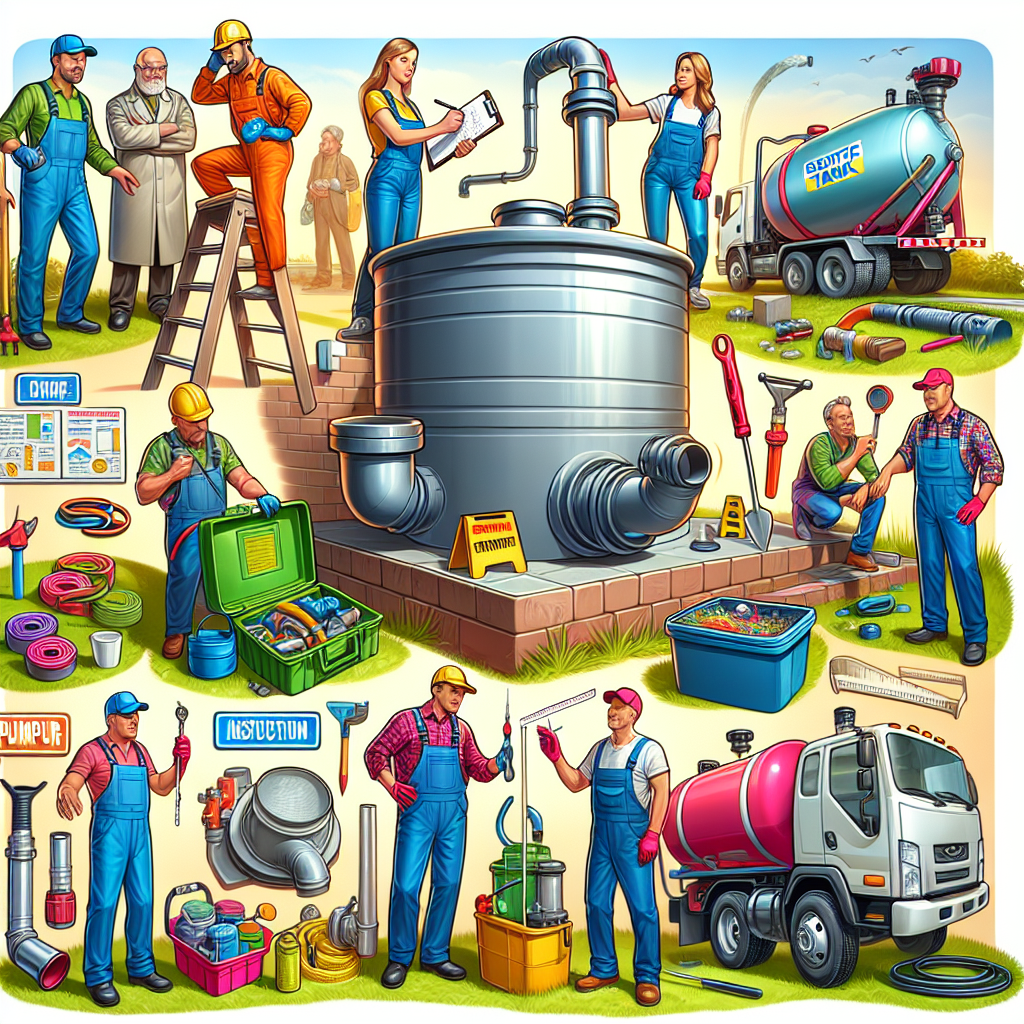
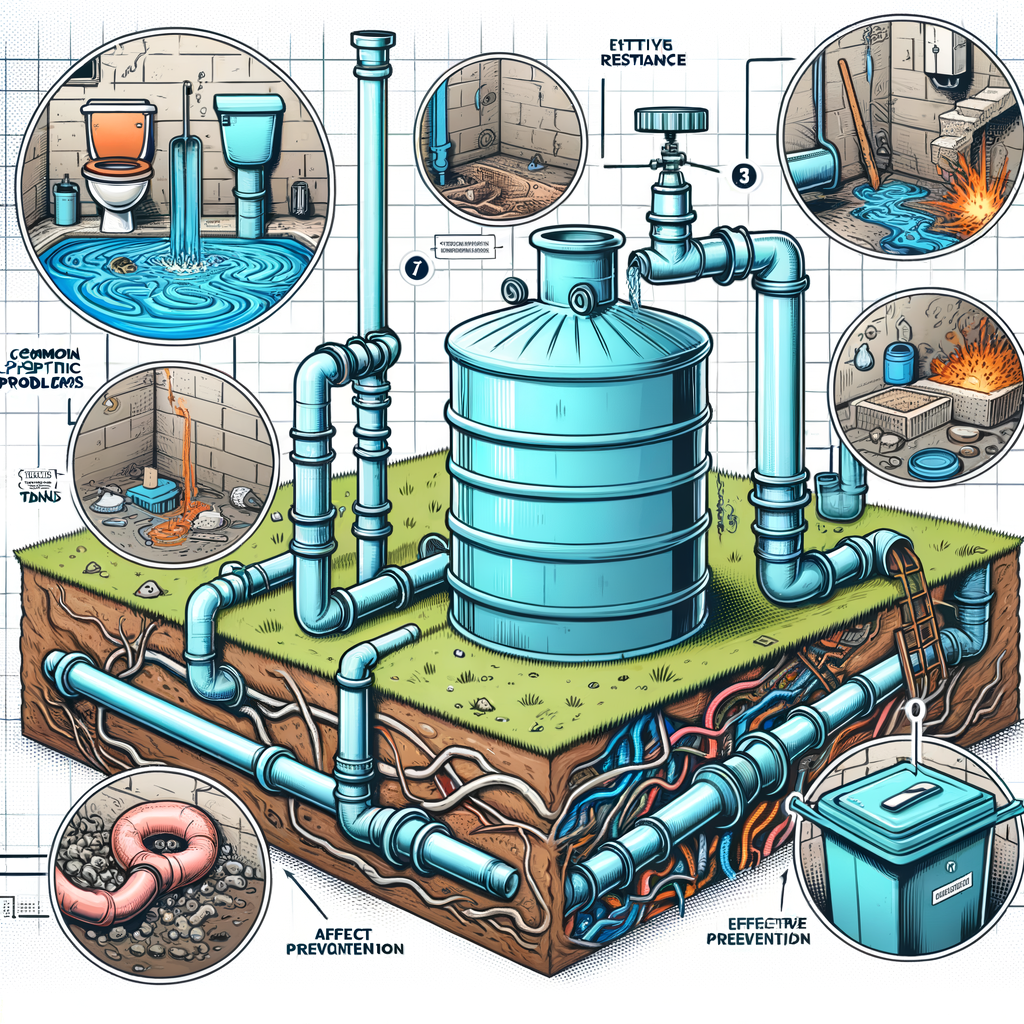
Before delving into maintenance tips, it’s important to have a basic understanding of how a septic system works. A typical septic system consists of a septic tank and a drain field. Wastewater from your home flows into the septic tank, where solids settle at the bottom and bacteria break down organic matter. The liquid effluent then exits the tank and enters the drain field, where it is further treated and dispersed into the soil.
Regular Pumping Schedule
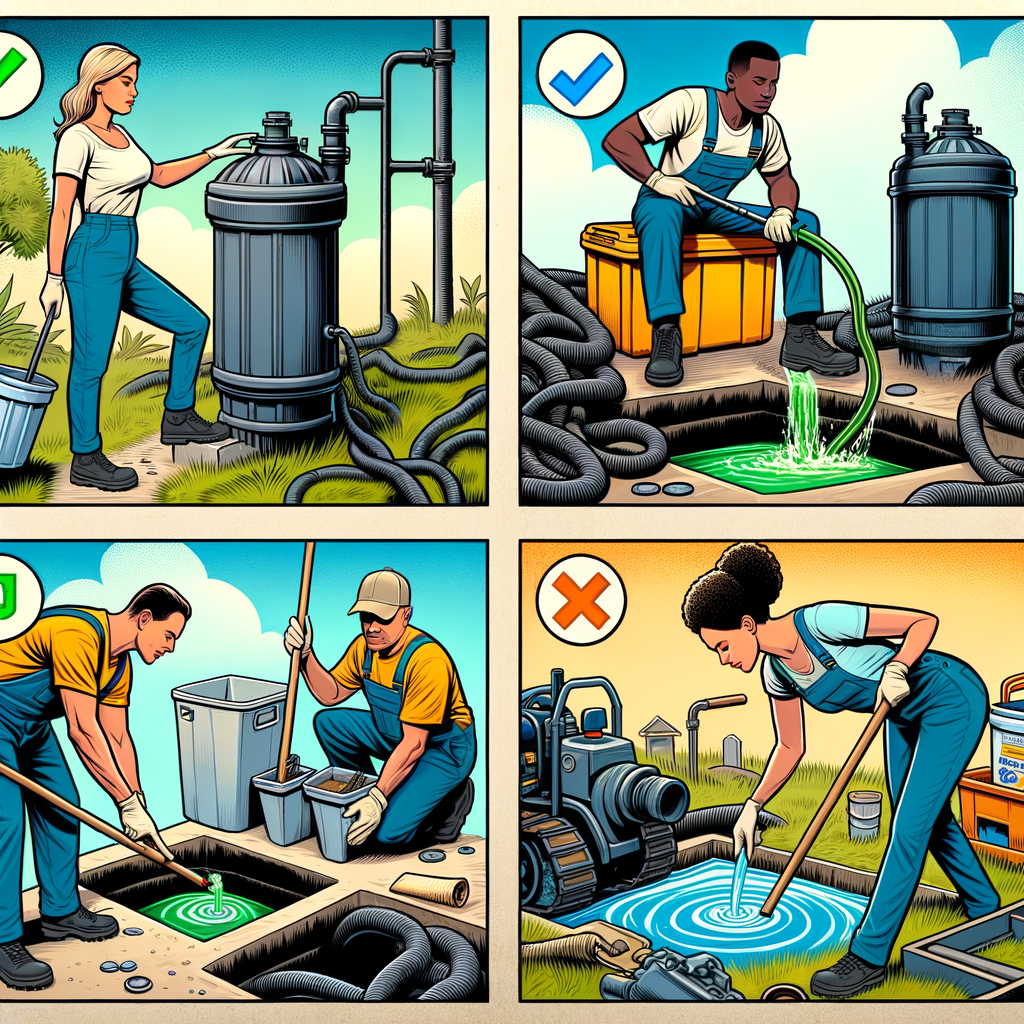
One of the most crucial maintenance tasks for septic tanks is regular pumping. Over time, solid waste accumulates in the tank, reducing its capacity and potentially causing clogs or backups. It is recommended to have your septic tank pumped every 3 to 5 years to remove excess solids and prevent system failure. However, the pumping frequency may vary depending on the tank size, household size, and water usage.
Watch What Goes Down the Drain
To maintain the health of your septic system, it’s important to be mindful of what you flush down the drain. Avoid disposing of non-biodegradable items such as paper towels, hygiene products, grease, or chemicals, as these can disrupt the natural processes in the tank and cause blockages. Additionally, excessive use of antibacterial soaps and cleaners can harm the beneficial bacteria in the tank, reducing its efficiency.
Water Conservation
Conserving water is not only good for the environment but also beneficial for your septic system. Excessive water usage can overload the tank and drain field, leading to premature system failure. To reduce water consumption, consider fixing leaky faucets, installing low-flow fixtures, and spreading out laundry and dishwasher loads throughout the week.
Inspections and Maintenance Checks
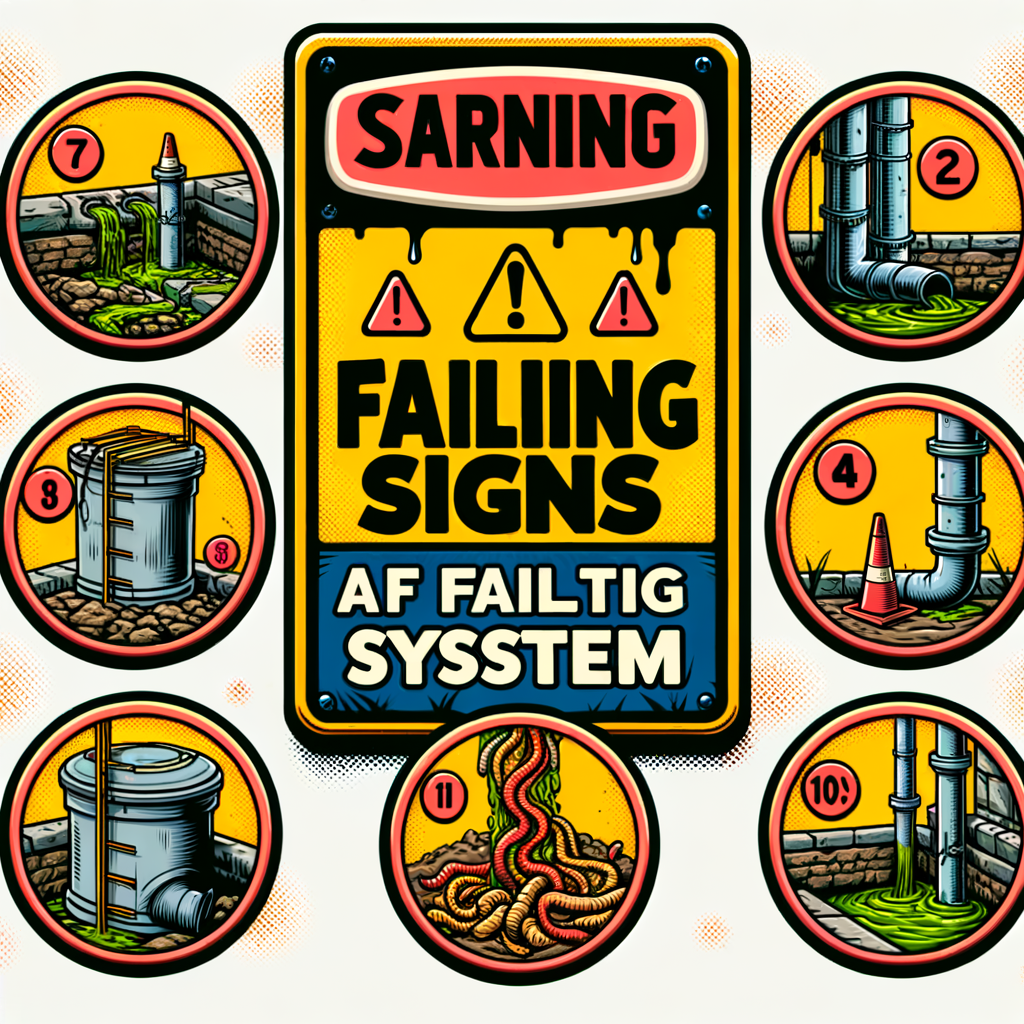
Regular inspections by a professional are essential for identifying potential issues early on and ensuring the system is operating efficiently. During these inspections, the technician will check for leaks, signs of damage, and the general condition of the tank and drain field. Additionally, perform visual inspections of the surface area above the drain field for any unusual odors, soggy spots, or lush vegetation, as these could indicate a problem with the system.
Protect Your Drain Field
The drain field is a critical component of the septic system, responsible for treating and dispersing effluent into the soil. To protect the drain field, avoid parking vehicles or placing heavy structures over it, as this can compact the soil and impair its ability to absorb and treat wastewater. Planting trees or shrubs near the drain field is also discouraged, as their roots can infiltrate and damage the system.
Conclusion
Proper maintenance of your septic tank is essential for its longevity and optimal performance. By following these essential maintenance tips, you can prevent costly repairs and ensure that your septic system operates efficiently for years to come. Remember to schedule regular pumping, watch what goes down the drain, conserve water, conduct inspections, and protect your drain field to maintain a healthy septic system and a worry-free home environment.