
Concrete Septic Systems: Best Practices for Longevity
When it comes to septic systems, longevity is a key consideration for homeowners looking to ensure the efficient and effective operation of their system for years to come. Among the various types of septic systems available, concrete septic systems are known for their durability and longevity. However, proper care and maintenance are essential to maximize the lifespan of a concrete septic system. In this article, we will explore the best practices that can help extend the life of your concrete septic system, ensuring its optimal performance and minimizing the risk of costly repairs.
Importance of Regular Inspections and Pumping
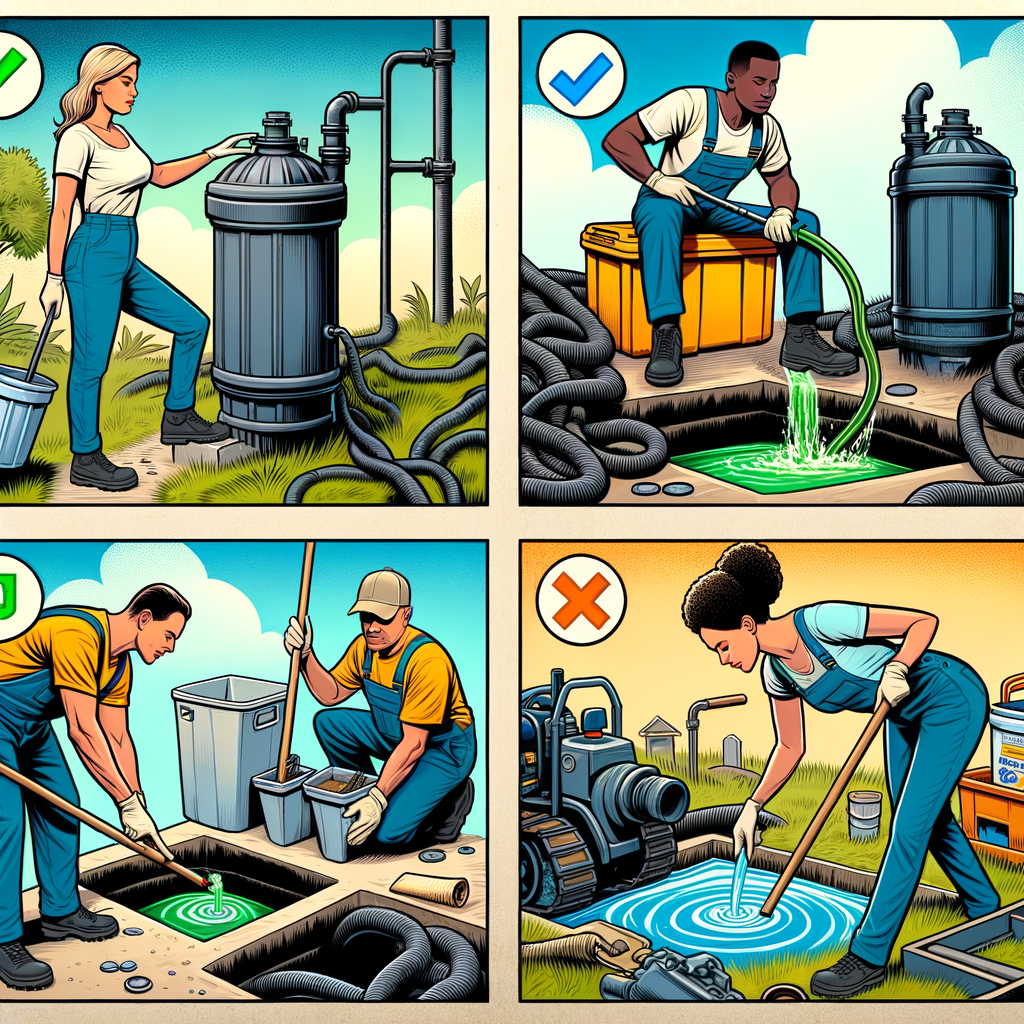
Regular inspections and pumping are crucial aspects of maintaining a concrete septic system. Inspections allow professionals to assess the condition of the tank, identify any signs of wear or damage, and address potential issues before they escalate. It is recommended to schedule a septic tank inspection at least once every three to five years to ensure that the system is functioning properly. In addition, pumping the septic tank on a regular basis, typically every three to five years, helps prevent solid waste buildup and maintains the system’s capacity and efficiency.
Proper Waste Disposal Practices
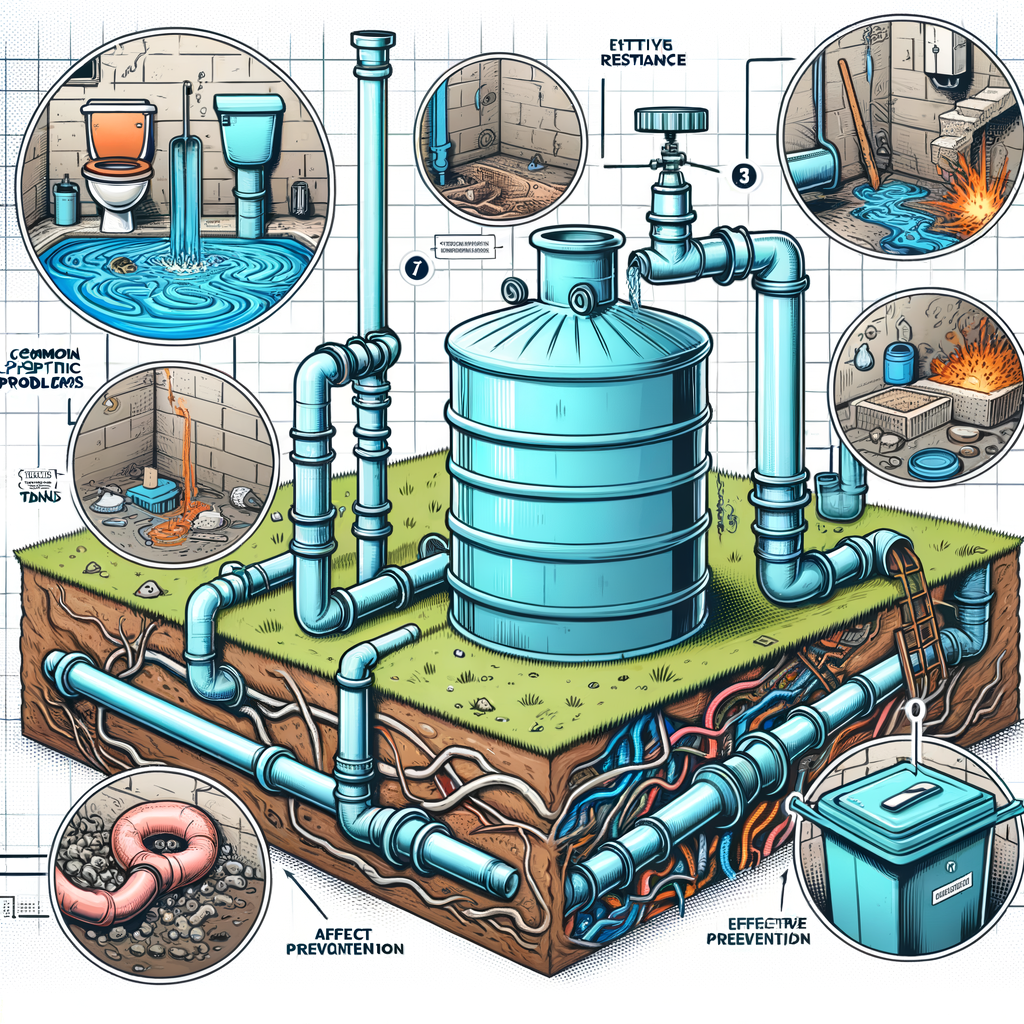
Proper waste disposal practices can significantly impact the longevity of a concrete septic system. Avoid flushing non-biodegradable items such as paper towels, sanitary products, grease, and chemicals down the drain as these can clog the system and cause damage. Also, be mindful of what goes into the system and avoid excessive use of household cleaners and antibacterial products, as these can disrupt the natural balance of the septic tank.
Landscaping and Drainage Considerations
The landscaping and drainage around a concrete septic system can influence its lifespan. Ensure that the area around the septic tank and drain field is free from heavy vehicles, structures, or large trees whose roots can potentially damage the system. Proper drainage is also essential to prevent water from accumulating around the tank, as excess moisture can saturate the soil and hinder the system’s ability to treat wastewater effectively.
Effluent Filter Maintenance
Effluent filters play a vital role in preventing solids from entering the drain field and clogging the system. Regularly inspect and clean the effluent filter to ensure that it is functioning correctly. Replace the filter if necessary to maintain optimal performance and prevent unnecessary strain on the septic system.
Professional Maintenance and Repairs
Engaging the services of a professional septic system maintenance provider is key to ensuring the longevity of your concrete septic system. Professionals have the expertise and equipment to conduct thorough inspections, perform necessary maintenance tasks, and address any repairs promptly. Regular maintenance by experienced professionals can help extend the life of the septic system and prevent costly issues down the line.
Conclusion
In conclusion, concrete septic systems are a durable and long-lasting option for wastewater treatment, but they require proper care and maintenance to ensure their longevity. By following the best practices outlined in this article, homeowners can protect their investment, optimize the performance of their septic system, and avoid expensive repairs. Remember that regular inspections, pumping, proper waste disposal practices, landscaping considerations, effluent filter maintenance, and professional maintenance are essential components of a comprehensive maintenance plan for concrete septic systems. Taking these proactive measures will help you enjoy a reliable and efficient septic system for many years to come.