
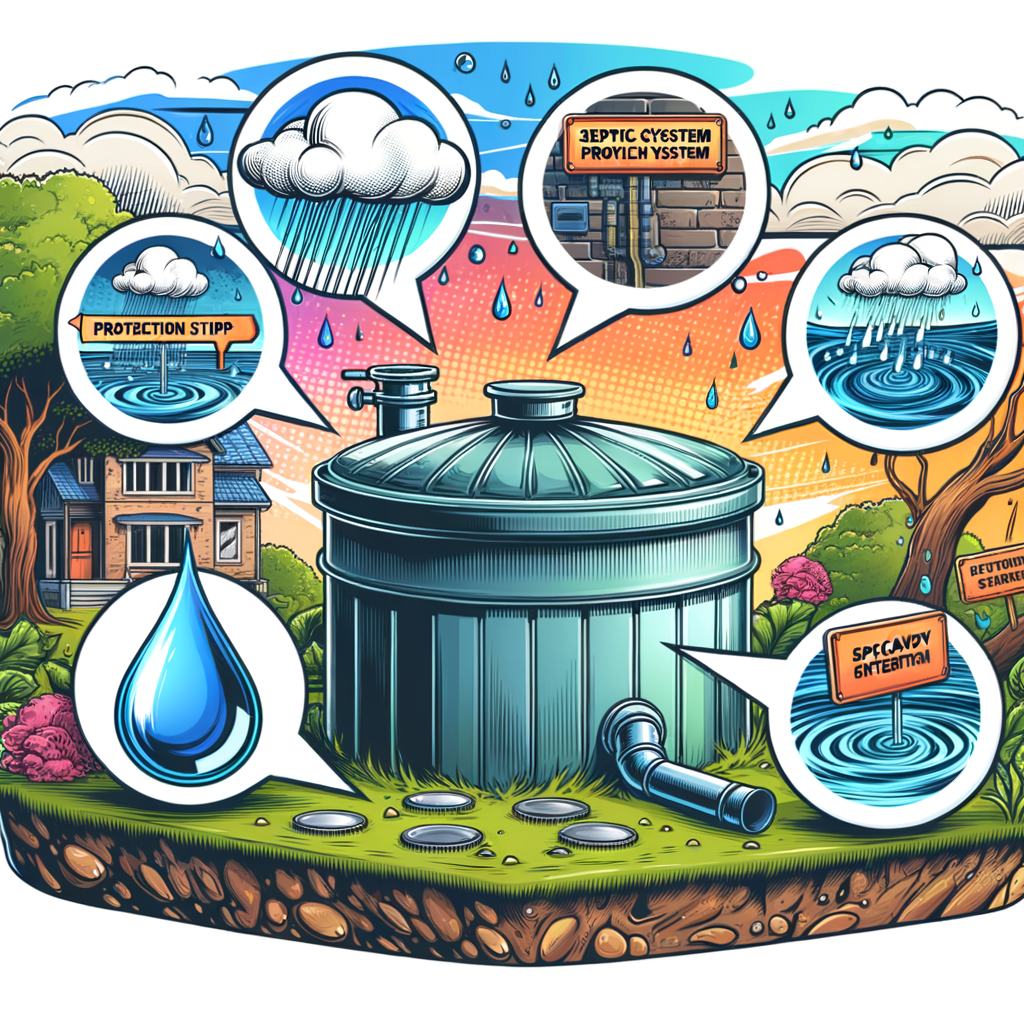
Septic System Care Tips: Protect Your System from Heavy Rain
When heavy rain showers hit, it’s essential to be mindful of your septic system’s health. Septic systems are vital for managing household water waste, but excess rainwater can overwhelm them, leading to backups and potential costly repairs. By following some proactive care tips, you can protect your septic system from the adverse effects of heavy rain, ensuring its optimal functioning and longevity.
Understanding the Impact of Heavy Rain on Septic Systems
Heavy rain can significantly impact septic systems by saturating the soil around the drain field. The excess water can prevent proper drainage, leading to backups and potential system failure. Additionally, heavy rain events can also flood the area around the septic tank and drain field, compromising their structural integrity and effectiveness. It’s crucial to take preventive measures to minimize the risks associated with heavy rain and protect your septic system.
Maintaining Your Septic System Regularly
Regular maintenance is key to ensuring the proper functioning of your septic system, especially during periods of heavy rain. Schedule routine inspections and pump-outs to remove sludge and prevent clogs that could worsen during heavy rainfall. A well-maintained septic system is better equipped to handle excessive water and reduce the likelihood of backups and system failures.
Diverting Rainwater Away from the Drain Field
One effective way to protect your septic system from heavy rain is to divert rainwater away from the drain field. Ensure that your gutters and downspouts are directed away from the septic system to prevent excess water from saturating the soil. You can also consider installing a French drain or other drainage solutions to redirect rainwater and minimize its impact on the septic system.
Conserving Water Usage during Heavy Rain
During heavy rain events, it’s advisable to conserve water usage to reduce the strain on your septic system. Limit activities that generate excessive wastewater, such as doing multiple loads of laundry or running the dishwasher frequently. By conserving water, you can help prevent overloading your septic system and mitigate the risks associated with heavy rainfall.
Monitoring the Septic System After Heavy Rain
After heavy rain showers, it’s essential to monitor your septic system for any signs of distress. Watch out for slow drains, gurgling noises, foul odors, or soggy areas around the septic tank and drain field, as these could indicate potential issues. If you notice any abnormalities, contact a professional septic service provider to assess the situation and perform any necessary repairs or maintenance.
Conclusion
Taking proactive steps to protect your septic system from heavy rain is essential for its long-term health and functionality. By understanding the impact of heavy rain on septic systems and following care tips such as regular maintenance, diverting rainwater, conserving water usage, and monitoring your system after heavy rain, you can safeguard your system from potential damage and ensure its optimal performance. Remember that a well-maintained septic system is better equipped to handle the challenges posed by heavy rainfall, protecting your home and the environment in the process.