Septic Tank Pumping Frequency in North Carolina: Best Practices
Septic tank pumping is a crucial aspect of maintaining a healthy and efficient septic system, especially in North Carolina where the climate and soil conditions can impact the frequency at which pumping is required. Understanding the best practices for septic tank pumping in North Carolina is essential for ensuring the longevity and effectiveness of your septic system.
Why is Septic Tank Pumping Important in North Carolina?
North Carolina’s diverse climate, ranging from the mountains to the coastal regions, can have a significant impact on the performance of septic systems. Factors such as soil type, precipitation levels, and temperature variations can affect the rate at which solids accumulate in the septic tank. Regular pumping helps prevent these solids from building up and causing blockages or backups in the system.
Determining the Pumping Frequency
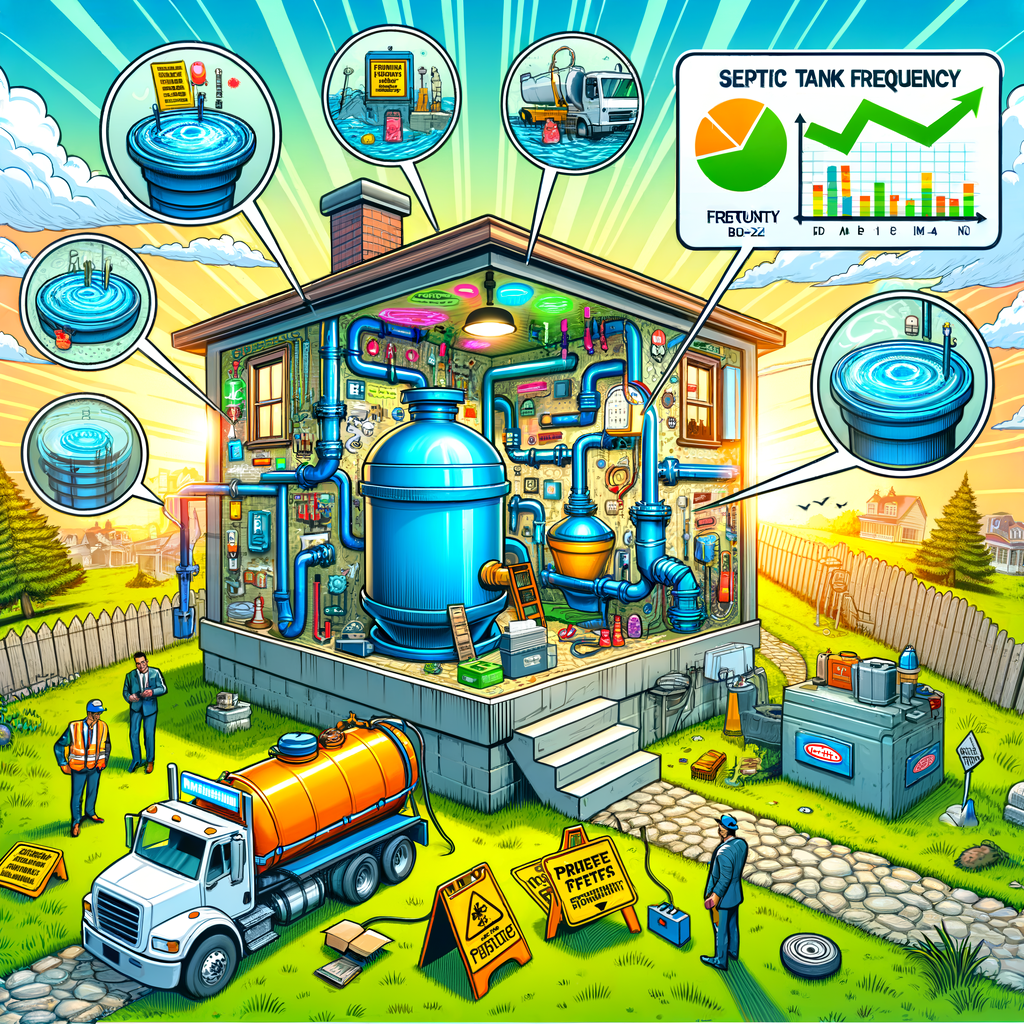
The frequency at which a septic tank should be pumped in North Carolina depends on various factors, including the size of the tank, the number of people in the household, and the usage habits. As a general guideline, septic tanks in North Carolina should be pumped every 3 to 5 years. However, certain households may require more frequent pumping, while others can go longer between pump outs.
Households with larger tank sizes or fewer occupants may be able to go longer between pumpings, while smaller tanks or more people using the system may require more frequent maintenance. Additionally, high water usage, use of a garbage disposal, or the presence of non-biodegradable materials in the system can all impact the pumping frequency.
Signs That Your Septic Tank Needs Pumping
Being aware of the signs that indicate your septic tank needs pumping is essential for preventing costly repairs and backups. Signs to watch out for include slow drains, gurgling noises in the plumbing, sewage odors in the yard or house, and lush green patches of grass over the drain field. If you notice any of these issues, it’s crucial to schedule a septic tank inspection and pumping as soon as possible.
Best Practices for Septic Tank Pumping in North Carolina
To ensure the effectiveness of septic tank pumping in North Carolina, follow these best practices:
1. Regular Maintenance: Schedule routine septic tank inspections and pumping to prevent issues before they occur.
2. Proper Waste Disposal: Avoid flushing non-biodegradable items down the drain or toilet, as these can lead to clogs and system failures.
3. Water Conservation: Use water efficiently to prevent overloading the septic system and minimize the need for frequent pumping.
4. Professional Guidance: Consult with a licensed septic system professional to determine the optimal pumping frequency for your specific system and usage patterns.
By following these best practices, you can help maintain a healthy and efficient septic system in North Carolina. Remember that proper maintenance is key to avoiding costly repairs and ensuring the longevity of your septic tank.
Conclusion
Septic tank pumping is a critical aspect of septic system maintenance, especially in North Carolina where climate and usage patterns can impact the frequency at which pumping is required. By understanding the best practices for septic tank pumping in North Carolina and staying proactive about maintenance, you can ensure that your system operates efficiently and effectively for years to come.